








1000 kVA Oil-Immersed Transformer: Copper vs Aluminum Winding, Which Is More Cost-Effective?
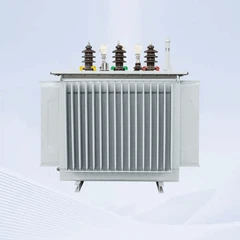
In the world of power distribution, selecting the right equipment is a balance between performance, reliability, and budget. For many industrial and utility projects, the 1000 kVA oil-immersed transformer is a workhorse. However, one of the most critical decisions procurement managers face is the choice of copper vs aluminum winding.
At GNEE, we are a professional power transformer manufacturer with decades of experience in designing and exporting high-quality liquid-filled transformers worldwide. We understand that "cost-effective" doesn't just mean the lowest price-it means the best value over the life of the machine.
In this article, we will break down the technical and economic differences between copper and aluminum windings specifically for the 1000 kVA capacity, helping you determine which solution fits your project's financial and operational goals.
Why Material Choice Matters for a 1000 kVA Oil-Immersed Transformer
The 1000 kVA oil-immersed transformer relies on its winding material to conduct electricity and dissipate heat within a cooling oil medium. While both copper and aluminum are excellent conductors, they behave differently under load and environmental stress.
The Superiority of Copper
Copper is the traditional choice due to its high electrical conductivity and mechanical strength. For a 1000 kVA oil-immersed transformer, copper windings result in a more compact design. This is because copper can carry more current per square millimeter than aluminum, allowing for smaller coils and, consequently, a smaller steel tank and less insulating oil.
The Evolution of Aluminum
Modern aluminum-wound transformers are no longer the "budget-only" alternative they once were. With advanced metallurgical techniques, aluminum windings now offer high reliability. While the aluminum conductor must be larger to match copper's performance, the overall weight of the 1000 kVA oil-immersed transformer is often lower, which can simplify logistics and installation on-site.

GNEE Factory Production Line-copper/aluminum coils
Analyzing the Cost-Effectiveness of Copper vs Aluminum Winding
To determine which material is more cost-effective for your 1000 kVA oil-immersed transformer, we must look at the two-stage cost structure: the Purchase Price and the Total Cost of Ownership (TCO).
Initial Investment Savings
The most immediate benefit of aluminum is the price. Aluminum is significantly cheaper than copper on the global commodities market. For a 1000 kVA oil-immersed transformer, choosing aluminum winding can lead to a capital expenditure (CAPEX) reduction of 15% to 25%. If your project has a strict upfront budget, aluminum is undeniably the more cost-effective choice in the short term.
Total Cost of Ownership (TCO)
However, copper-wound transformers often boast higher efficiency ratings. Lower resistance means lower load losses. Over a 20-year lifespan, the energy saved by a high-efficiency copper-wound 1000 kVA oil-immersed transformer can often pay for the initial price difference.
At GNEE, we provide TCO calculations to help customers see the long-term ROI of their winding choice.
Technical Comparison: 1000 kVA Oil-Immersed Transformer Performance
When comparing copper vs aluminum winding, technical specifications are the deciding factor for engineers. Below is a comparison table based on GNEE's standard production parameters for a 1000 kVA oil-immersed transformer.
| Technical Specification | 1000 kVA Copper Winding | 1000 kVA Aluminum Winding |
| Rated Capacity | 1000 kVA | 1000 kVA |
| Cooling Method | ONAN (Oil Natural Air Natural) | ONAN (Oil Natural Air Natural) |
| Load Losses | Lower (Higher Efficiency) | Standard (To Spec) |
| Thermal Expansion | Lower (More Stable) | Higher (Requires Flexible Links) |
| Unit Weight | Heavier (approx. 2200-2500kg) | Lighter (approx. 1800-2100kg) |
| Oil Volume | Less | More (Due to larger tank size) |
| Short-Circuit Strength | Exceptional | High |
| Standard Compliance | IEC 60076 / IEEE | IEC 60076 / IEEE |
Durability and Maintenance in Oil-Immersed Designs
An 1000 kVA oil-immersed transformer is designed to last 25 to 30 years. The choice of copper vs aluminum winding directly impacts the maintenance cycle and durability of the unit within the oil tank.
Thermal Stress and Expansion
Aluminum has a higher coefficient of thermal expansion than copper. In an oil-immersed environment, the constant heating and cooling cycles cause the windings to expand and contract. While GNEE uses specialized pressure-clamping techniques to mitigate this, copper's natural stability makes it slightly more "forgiving" under extreme fluctuating loads.
Oxidation and Connection Reliability
One of the key advantages of working with a professional manufacturer like GNEE is our specialized termination process. Aluminum forms an oxide layer quickly, which can increase resistance at connection points. We use bi-metallic connectors and hermetic sealing in our 1000 kVA oil-immersed transformers to ensure that aluminum windings remain as reliable and maintenance-free as copper throughout their service life.

transformer Detail Close-up
To learn more about the structure of oil-immersed transformers, please read the article Power Transformer Core & Auxiliary Components Explained: Structure, Working Principle & Maintenance Guide
Why Source Your 1000 kVA Transformer from GNEE?
As a leading 1000 kVA oil-immersed transformer manufacturer, GNEE doesn't just sell products; we provide power solutions. Our factory is equipped with the latest testing and manufacturing technology to ensure that whether you choose copper vs aluminum winding, you receive a Tier-1 product.
Factory-Direct Advantages
By sourcing directly from GNEE, you eliminate the middleman. This allows us to offer the most competitive pricing on 1000 kVA oil-immersed transformers while maintaining total control over material quality. We source only high-purity electrolytic copper and electrical-grade aluminum.
Global Expertise and Certification
Our transformers are used in diverse environments, from tropical solar farms to cold industrial zones. GNEE products meet international standards such as IEC, ANSI, and CSA. Every unit undergoes rigorous routine testing, including insulation resistance, turns ratio, and load loss testing, before it leaves our warehouse.
Applications: When to Choose Each Material?
The environment of your installation plays a huge role in the copper vs aluminum winding debate.
- Commercial Real Estate: If space is at a premium, a 1000 kVA copper-wound oil-immersed transformer is preferred due to its smaller footprint.
- Renewable Energy Projects: For solar and wind farms where the project spans a large area and weight affects transport costs, aluminum winding is often the more cost-effective choice.
- Heavy Industry: For steel mills or mining where short-circuit risks are higher, many engineers prefer the mechanical robustness of copper.

A row of finished oil-immersed transformers packed in sea-worthy packaging
Conclusion: Making the Right Choice for Your 1000 kVA Transformer
When deciding which 1000 kVA oil-immersed transformer is more cost-effective, the answer depends on your project's lifespan and budget constraints. Aluminum offers an unbeatable initial price, making it ideal for budget-driven procurement. Copper provides superior long-term efficiency and a compact footprint, making it the preferred choice for high-demand industrial applications.
No matter which path you choose in the copper vs aluminum winding debate, GNEE is committed to delivering excellence. Our engineering team is ready to provide you with a detailed comparison and a custom quote tailored to your specific voltage and efficiency requirements.
Ready to get the best price for your power project?
Contact GNEE today to discuss your 1000 kVA oil-immersed transformer requirements. Whether you need the durability of copper or the cost-savings of aluminum, our experts will guide you to the perfect solution.
Send Inquiry