





1000kVA Dry Type Transformer vs Oil Immersed Transformer: Full Comparison
Apr 17, 2026
Leave a message
Choosing between a 1000kVA Dry Type Transformer vs Oil Immersed Transformer is an important decision for industrial, commercial, and utility power systems.
As a professional transformer manufacturer, GNEE supplies both Dry-type Transformer and oil-filled transformer solutions to global customers, helping clients select the right equipment based on safety, installation environment, efficiency, and long-term operating cost.
Both transformer types perform the same electrical function, but their cooling methods, maintenance requirements, and application scenarios are very different. Understanding these differences can help engineers and buyers make a more cost-effective investment.
What Is a 1000kVA Dry Type Transformer?
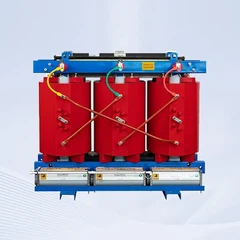
A 1000kVA Dry Type Transformer uses air instead of insulating oil for cooling. The windings are protected by epoxy resin or vacuum pressure impregnation materials, making it ideal for indoor installations.

Common product types include:
- Three-Phase Dry-type Transformer
- Three-Phase Cast Resin Transformer
- Cast Resin Power Transformer
- Low Loss Dry-type Transformer
- Indoor Three-Phase Transformer
Dry transformers are especially suitable for hospitals, commercial buildings, data centers, and subway systems where fire safety is critical.


Close-up of cast resin dry type transformer
What Is a 1000kVA Oil Immersed Transformer?
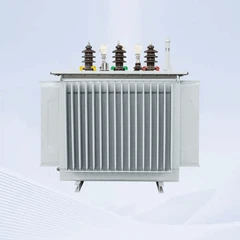
A 1000kVA Oil Immersed Transformer uses mineral oil or biodegradable insulating liquid to cool and insulate internal components.
Main features:

- Oil provides excellent heat dissipation
- Suitable for outdoor installations
- Higher overload capacity
- Better for large industrial loads
Oil-filled transformers are commonly used in:
- Power substations
- Manufacturing plants
- Utility grids
- Mining projects

Close-up of outdoor oil immersed transformer
1000kVA Dry Type Transformer vs Oil Immersed Transformer – Structure Comparison
1000kVA Dry Type Transformer Structure Comparison
Typical components include:
Silicon steel core
Copper or aluminum windings
Epoxy resin cast coils
Temperature monitoring system
Ventilation ducts
Enclosure cabinet
This makes it ideal as an Indoor Three-Phase Transformer for enclosed spaces.

Product structure comparison image – dry type Transformer
1000kVA Oil Immersed Transformer Structure Comparison
Typical components include:
- Transformer tank
- Conservator tank
- Oil level indicator
- Radiators / cooling fins
- Buchholz relay
- Pressure relief device
- Oil-immersed windings
Its structure is more suitable for outdoor and heavy-duty industrial applications.

Product structure comparison image – oil Immersed Transformer
1000kVA Dry Type Transformer vs – Safety Comparison
1000kVA Dry Type Transformer Safety Comparison
The biggest advantage of dry type transformers is high fire safety.
Key safety features:
- No flammable oil
- Self-extinguishing resin insulation
- Low smoke emission
- No leakage risk
This is why cast resin dry type transformer manufacturers strongly recommend them for:
- hospitals
- shopping malls
- schools
- metro stations
- data centers
1000kVA Oil Immersed Transformer Safety Comparison
Oil immersed transformers have excellent cooling performance but carry certain risks:
- oil leakage
- fire hazard
- environmental contamination
- sealing failure risk
For indoor installations, additional fire protection systems are often required.
1000kVA Dry Type Transformer vs Oil Immersed Transformer – Efficiency and Loss Comparison
No-Load and Load Loss Comparison
Modern Low Loss Dry-type Transformer designs have significantly improved efficiency.
Typical comparison:
| Type | No-Load Loss | Load Loss | Efficiency |
|---|---|---|---|
| 1000kVA Dry Type Transformer | 1.8–2.2 kW | 8.5–10.5 kW | 97.5–98.5% |
| 1000kVA Oil Immersed Transformer | 1.3–1.8 kW | 7.5–9.5 kW | 98–99% |
In general, oil immersed transformers usually offer slightly lower losses.
Cooling Performance Comparison
Cooling Efficiency of Oil Immersed Transformer
Oil has excellent thermal conductivity, allowing:
- Better heat dissipation
- Higher overload tolerance
- Longer continuous heavy-load operation
For high-load industrial environments, oil transformers often perform better.
Cooling Performance of Dry Type Transformer
Dry transformers rely on natural or forced air cooling.
Cooling options:
- AN (Air Natural)
- AF (Air Forced)
Modern cast coil dry type transformer designs have improved cooling performance, but heavy overload capability is usually lower than oil-filled models.
Maintenance Comparison of 1000kVA Transformers
Maintenance of Dry Type Transformer
Dry-type transformers require less maintenance.
Typical maintenance:
- Dust cleaning
- Thermal inspection
- Terminal tightening
- Partial discharge monitoring
Advantages:
- Lower operating costs
- Minimal downtime
- Easier routine service

Maintenance of Oil Immersed Transformer
Oil-filled transformers require more maintenance.
Routine tasks:
- Oil testing
- Oil filtration
- Leak inspection
- Cooling system checks
This increases lifetime maintenance cost.

Engineer performing routine transformer inspection
1000kVA Dry Type Transformer vs Oil Immersed Transformer – Application Comparison
Best Applications for Dry Type Transformer
Recommended for:
- commercial buildings
- hospitals
- residential complexes
- indoor substations
- renewable energy projects
Especially suitable for Three-Phase Cast Resin Transformer systems.


Best Applications for Oil Immersed Transformer
Recommended for:
- outdoor substations
- mining
- heavy manufacturing
- steel plants
- utility grids
Better for harsh outdoor environments and high-capacity load centers.
1000kVA Dry Type Transformer vs Oil Immersed Transformer – Parameter Table Comparison
| Parameter | Dry Type Transformer | Oil Immersed Transformer |
|---|---|---|
| Rated Capacity | 1000kVA | 1000kVA |
| Cooling Method | AN / AF | ONAN / ONAF |
| Fire Safety | Excellent | Medium |
| Maintenance | Low | Medium-High |
| Indoor Use | Excellent | Limited |
| Outdoor Use | Good | Excellent |
| Initial Cost | Higher | Lower |
| Lifetime Cost | Lower | Medium |
| Leakage Risk | None | Present |
| Noise Level | Lower | Medium |
Cost Comparison of 1000kVA Dry Type Transformer vs Oil Immersed Transformer
Initial Purchase Cost
Oil immersed transformers usually have:
- Lower manufacturing cost
- Lower purchase price
- Lower upfront investment
Dry type transformers often cost more due to advanced insulation materials.
Long-Term Ownership Cost
Dry transformers can reduce:
- Maintenance expenses
- Fire protection system costs
- Environmental compliance costs
Over time, total ownership cost can become competitive.
Which Transformer Is Better for Your Project?
Choose 1000kVA Dry Type Transformer if:
- Indoor installation is required
- Fire safety is critical
- Low maintenance is preferred
- Environmental protection matters
Choose Oil Immersed Transformer if:
- Outdoor installation is planned
- Heavy industrial load exists
- Lowest initial cost matters
- Higher overload capacity is needed
Why Choose GNEE for Transformer Solutions?
GNEE offers:
- Dry distribution transformer solutions
- Cast resin type transformer customization
- Oil immersed transformer manufacturing
- Global export service
- Strict IEC and ANSI quality standards
Whether you need a dry core transformer or oil-filled unit, our engineers can recommend the best solution for your project.
Conclusion: Selecting the Right 1000kVA Transformer for Your Needs
When comparing the 1000kVA Dry Type Transformer vs Oil Immersed Transformer, the best choice depends on your installation environment, safety requirements, and budget. Dry transformers offer superior safety and low maintenance, while oil immersed units provide better cooling and lower upfront cost.
👉 Need expert help choosing the right transformer? Contact GNEE today for professional support and a customized quotation for your power project.
What damages may happen during transportation of 1000kVA dry type transformer?
Vibration and collision may cause loose fasteners, core displacement, winding deformation, or epoxy surface damage. We use fixed shipping base, overall packaging, and pre-delivery testing to ensure safe transportation.
Can 1000kVA cast resin dry type transformer be placed horizontally during transport?
No. Horizontal placement may damage winding insulation and internal structure. It must be transported vertically with clear lifting and upright marks.
What are the key installation requirements for 1000kVA dry type transformer?
It needs a level, firm concrete foundation, sufficient ventilation space, safe distance from walls and barriers. Poor installation will lead to vibration, noise and overheating.
Can 1000kVA epoxy cast dry type transformer be installed outdoors directly?
Standard cast resin dry type transformer is for indoor use. Outdoor installation requires an IP54/IP56 enclosure for rainproof, sun protection and ventilation.
Why does insulation resistance decrease after installation?
Moisture, dust, high humidity and dirty surface are the main causes. Regular cleaning and drying can restore insulation performance.
What is the normal temperature rise for 1000kVA cast resin dry type transformer?
For Class F insulation, the winding average temperature rise is ≤100K, hot-spot temperature ≤155°C. Overload, poor ventilation and dust will cause abnormal high temperature.
What causes abnormal noise during operation of 1000kVA dry type transformer?
Loose core, unbalanced load, voltage fluctuation, harmonics, uneven foundation or internal looseness after transportation.
Is 1000kVA cast resin dry type transformer maintenance-free?
It is nearly maintenance-free, but needs regular dust cleaning, terminal torque check, insulation test and temperature monitoring.
Are small epoxy cracks acceptable for 1000kVA dry type transformer?
Superficial micro-cracks can be repaired, but deep or penetrating cracks affect insulation safety and must be repaired or replaced.
Why does the temperature controller alarm on 1000kVA epoxy cast transformer?
Common causes: overload, fan failure, poor ventilation, temperature sensor fault or heavy harmonics.
Send Inquiry