







1000kVA vs 2000kVA Mining Project Transformer Selection
The selection of mining transformers is one of the most critical engineering decisions in any mining operation. Mine sites present extremely harsh environments – dust, vibration, temperature fluctuations, humidity, and high mechanical loads. Choosing the right mining transformer ensures reliable power distribution, minimises downtime, improves safety, and lowers total cost of ownership (TCO).
Whether you operate an open‑pit mine, an underground mine, or a mineral processing plant – from a 1000kVA oil‑immersed transformer to a 2000kVA mining oil‑immersed transformer – correct selection directly determines the success of your power supply system.

Click to learn more about GNEE transformers
Transformers in Mining Operations
Mining transformers are the backbone of power distribution at a mine site. They step up or step down voltage to deliver safe, available power from the utility grid, on‑site generators, or renewable sources to heavy equipment – electric shovels, crushers, conveyors, pumps, ventilation fans, lighting systems and processing machinery.
In modern mining, where operations run 24/7 under high loads, choosing the right mining transformer directly affects productivity. For example, a 1000kVA oil‑immersed transformer is commonly found in the power distribution room of a small to medium‑sized processing plant, while a 2000kVA mining oil‑immersed transformer is standard for the crushing station of a medium‑sized open‑pit mine. Industry data shows that electricity‑related downtime can cost tens of thousands of dollars per hour, so getting the transformer right – capacity and type – is essential.
The main benefits of optimal selection include:
- Increased uptime and equipment life
- Higher energy efficiency and lower electricity bills
- Better compliance with strict safety and environmental regulations
- Lower maintenance costs over the asset's life cycle
- Support for future mine expansion and load growth
This guide focuses on harsh‑environment transformers specifically designed for mining applications. As mining projects push further into remote and severe areas, correct transformer selection is indispensable for long‑term project success.

Need help with transformer selection for mining on your project?
→Our team offers free initial consultations and load assessments. Get Your Free Consultation
Unique Challenges of Mining Power Systems
The mining environment is fundamentally different from standard industrial or commercial settings. Understanding these challenges is the foundation for effective mining transformer selection.
Environmental stressors:
- High concentrations of dust and particulates that can block cooling systems and degrade insulation
- Extreme temperature variations (‑40°C in Arctic regions to +50°C or more in desert operations)
- High humidity, heavy rainfall or corrosive chemicals from ore processing
- Continuous strong vibrations from blasting, drilling and heavy machinery
- Possibility of explosive gas atmospheres in underground coal or gassy mines
Electrical characteristics:
- High inrush currents from frequent motor starting (crushers, mills, conveyors). This means transformer capacity cannot be calculated simply from steady‑state power factor. For example, a 1000kVA dry‑type transformer used for a variable‑frequency‑driven crusher may have an effective capacity of only about 700kVA.
- Significant harmonic distortion from variable frequency drives (VFDs), rectifiers and electronic controls – when harmonic content exceeds 30%, a transformer with a higher K‑factor is recommended.
- Highly variable load profiles, with peaks during production shifts and troughs during maintenance periods.
- Remote power sources often involving long transmission lines or on‑site generation, with significant voltage fluctuations.
Operational and safety factors:
- Limited access for maintenance in underground or remote areas
- Strict regulatory requirements for fire safety, explosion protection and environmental control
- Need for scalability as mine reserves expand or throughput increases
- These conditions make standard commercial transformers unsuitable. Dedicated mining transformers feature rugged enclosures (high IP ratings), enhanced cooling schemes, shock‑absorbing mounts and materials designed for extreme environments. Ignoring any of these factors during selection can lead to premature failure and safety hazards.
Dry‑Type Transformers for Mining
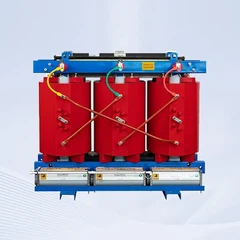
Dry‑type transformers use air or solid dielectric materials (e.g. epoxy resin) for insulation and cooling, completely eliminating oil‑related risks.
Key advantages for mining:
- Excellent fire safety – ideal for underground mines and confined spaces where fire risk must be minimised
- Lower maintenance requirements (no oil sampling or leak control)
- Environmentally friendly, no risk of oil spills contaminating soil or water
- Suitable for indoor or semi‑enclosed substations
Typical product examples:
A 1000kVA dry‑type transformer (e.g. SCB14-1000/10 or the flameproof mining type KBSG-1000/10) is widely used in underground central substations and explosion‑protected chambers. Its oil‑free construction greatly reduces explosion risk in gassy environments.
In terms of capacity, the main range for dry‑type transformers is typically 315kVA to 2500kVA, with 1000kVA and 1250kVA being the most popular ratings.
Oil‑Immersed Transformers for Mining
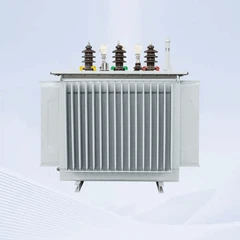
Oil‑immersed transformers use mineral oil or environmentally friendly ester liquids for insulation and heat dissipation. They are the workhorses of surface power supply at mines.

Advantages:
- Excellent heat dissipation, making them suitable for high capacities and hot climates
- Generally more cost‑effective for high‑power outdoor applications
- Proven long life with proper maintenance (often over 30 years)
- Better overload capability in many cases
Typical product examples:
A 1000kVA oil‑immersed transformer (e.g. S13-M-1000/10) is often used for a small surface crushing station or the mine's accommodation area.
A 2000kVA mining oil‑immersed transformer (e.g. S20-M-2000/35) is a common choice for the main substation of a medium‑sized open‑pit mine or for a large processing plant. This capacity can serve around 1600kW of actual load while providing a 25% margin for future expansion.
For large mines, 3150kVA, 5000kVA and even 10000kVA oil‑immersed transformers are used.
Comparison: Dry‑Type vs Oil‑Immersed in Mining Environments
| Feature | Dry‑type (e.g. 1000kVA dry‑type) | Oil‑immersed (e.g. 2000kVA mining oil‑immersed) |
|---|---|---|
| Cooling medium | Air / solid resin | Mineral oil or ester liquid |
| Fire & explosion risk | Very low | Higher (requires bunds, fire suppression) |
| Maintenance | Low | Medium‑high (oil analysis, leak checks) |
| Best application | Underground, indoor, high‑safety areas | Outdoor substations, open‑pit, large capacities |
| Initial cost | Higher | Lower |
| Environmental impact | Minimal | Leak control needed |
| Typical capacity range | 100–3150kVA | 50–31500kVA and above |
Step‑by‑Step Selection Guide for Mining Transformers
A systematic approach ensures optimal transformer selection for mining. Below we walk through an example to show how capacity considerations fit into each step.
Step 1: Carry out a comprehensive load assessment
Collect data for all equipment, calculate connected load, apply diversity and demand factors. Assume a crushing station with a total motor power of 1600kW and a power factor of 0.85 – the basic capacity requirement is 1882kVA.
Step 2: Analyse site and environmental conditions
The crushing station is on the surface, with a lot of dust and a summer ambient temperature of up to 45°C. Factoring in environmental derating, the calculated capacity needs to be increased by 10%.
Step 3: Define voltage requirements
Primary side 35kV incoming, secondary side 0.69kV for direct starting of crushers. A 35/0.69kV transformer is required.
Step 4: Select transformer type and cooling method
Outdoor surface installation, no explosion protection required, and capacity over 1500kVA – an oil‑immersed type is preferred. Here a 2000kVA mining oil‑immersed transformer is a very suitable choice (1882kVA × 1.1 ≈ 2070kVA, rounding up to 2000kVA or 2500kVA). If harmonics are significant, a K‑factor unit or a direct step up to 2500kVA can be considered.
Step 5: Determine capacity margin
- Stable continuous loads: 15‑20% margin
- Frequent starting of large motors: 25‑40% margin
- High harmonic content (VFDs >30%): 30‑50% margin
- Definitive expansion plans: >40% margin
For impact loads like a crushing station, a margin of at least 30% is recommended.
Step 6: Specify performance and protection features
For example, require premium efficiency (e.g. Tier 1), 6% impedance voltage, IP54 enclosure.
Step 7: Ensure compliance with standards
Verify IEC 60076, local mining safety standards, etc.
Step 8: Perform a total cost of ownership (TCO) analysis
Compare different efficiency levels for the 2000kVA mining oil‑immersed transformer. A premium efficiency (Tier 1) product may have a 15% higher initial purchase price, but it can save tens of thousands of dollars in electricity each year, paying back the difference in about two years.
Real‑World Case Studies for Mining Transformer Applications
Case 1: Underground coal mine longwall face
A gassy mine planned a longwall face with total equipment power of about 850kW. The basic capacity requirement was 1000kVA. Considering starting surges and inverter harmonics, the final selection was a 1000kVA dry‑type transformer (flameproof mining type KBSG-1000/10). The oil‑free construction ensured underground safety, and the capacity margin was about 18% (actual peak load around 820kVA). After two years of operation, no overheating issues occurred.
Case 2: Medium‑sized open‑pit copper mine crushing station upgrade
The original crushing station used a 1600kVA oil‑immersed transformer. Throughput increased and the actual load approached the rated value. A new load assessment recommended replacement with a 2000kVA mining oil‑immersed transformer (S20-M-2000/35). After replacement, the load factor dropped to 75%, temperature rise decreased by 15K, and annual electricity savings from improved efficiency were about USD 11,000 (based on typical rates). The payback period was only 1.8 years.
Maintenance and Lifecycle Management Best Practices
Even the best transformers require regular maintenance. The following practices apply to most mining transformers:
- Regular thermal imaging – every six months, focusing on transformers with a load factor above 80%.
- Oil sampling and analysis – for oil‑immersed transformers (such as the 2000kVA mining oil‑immersed transformer), perform dissolved gas analysis (DGA) and dielectric strength testing at least once a year.
- Insulation resistance testing – annually or after major repairs.
- Vibration monitoring – for transformers installed near crushers or mills, quarterly monitoring is recommended.
- Regular cleaning of cooling surfaces – for dry‑type transformers (e.g. a 1000kVA dry‑type transformer), dust easily accumulates in air ducts. Cleaning every three months is advised, otherwise temperature rise may increase by 10‑15K.
A predictive maintenance programme can extend transformer life from 20 years to more than 30 years, while preventing unplanned failures that cause production stoppages.
Conclusion
Mining project transformer selection requires careful trade‑offs between technical performance, environmental adaptability, safety compliance and economics. Whether you choose a 2000kVA mining oil‑immersed transformer for a large surface mine or a 1000kVA dry‑type transformer for an underground working face, the keys are accurate load characterisation, reasonable capacity margins, and strict adherence to safety standards.
Following the structured approach in this guide – comprehensive load assessment, matching type to operating conditions, adequate margins, and selecting standard capacity ratings – will enable you to build a robust and future‑ready mining power infrastructure.
In today's competitive mining environment, correct transformer selection – for example, knowing whether you need a 1000kVA oil‑immersed transformer or a 1000kVA dry‑type transformer, and whether a 2000kVA mining oil‑immersed transformer is required to meet expansion plans – is fundamental to safety, reliability and profitability.
Need help with precise transformer selection for your mining project? Contact our technical team for a free load assessment and capacity optimisation proposal.
What is a mining transformer?
Mining duty transformers are used extensively at mines, converting and distributing voltage utilized for distribution, load center, and shovel duty. They must have high power, a low profile, and a compact design to be suitable for rugged mining locations.
What is a 1000kVA transformer?
A 1000 kVA transformer is generally utilized in the process of transforming a high-voltage power supply line into a low-voltage power supply line. It uses kilovolt-amperes as the units of measurement for the transformer's apparent power (kVA). It is capable of withstanding a voltage of 120 and an amperage of 8333.
How many kW is a 1000 kVA transformer?
So, a 1000 kVA transformer can deliver approximately 800 kW of real power at a power factor of 0.8.
How much does a 2000 kVA transformer weigh?
Given the capacity in kVA or kilovolt amperes, you can multiply this value by the transformer's BIL or Basic Impulse Insulation Level to get the estimated weight. A 2000 kVA transformer, based on that estimate, can weigh around 4,000 Kilograms to 7,000 Kilograms.
What is the efficiency of a 2000 kVA transformer?
The "sweet spots" for high efficiency are in the range of 40% to 75% of rated load for the 2000 KVA and 2500 KVA units, and 30% to 50% of rated load for the 500 KVA to 1500 KVA units. Note that efficiency falls off rapidly when the load is below 40% or above 80% of the transformer rating.
How much oil is in a 2000 kVA transformer?
The oil capacity of a 2000 kVA oil-filled transformer is generally around 1300 to 1500 liters. This can vary depending on the specific design and manufacturer specifications.
Send Inquiry