









315 kVA Transformer Price: Cost Factors and Buying Guide
Nov 18, 2025
Leave a message
Why 315 kVA Transformer Prices Vary So Much
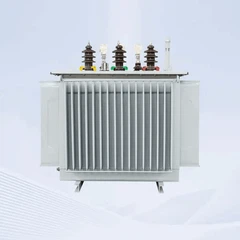
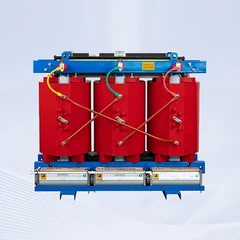
A 315 kVA transformer is not a single product: it can be an oil-immersed distribution unit on a pole or plinth, a dry-type unit for an indoor plant room, a pad-mounted unit with a tamper-resistant enclosure, or a complete kiosk substation with switchgear. Each configuration carries a different bill of materials, so the price range across the family is naturally wide. In addition, the primary voltage, the copper or aluminium windings, the core material, the efficiency class, and the accessory list all move the price significantly. For this reason the only meaningful comparison is between quotations that share the same specification: same capacity, same voltage ratio, same vector group, same losses, and same delivery terms.
Typical Price Ranges by Transformer Type
The table below gives indicative ranges that reflect typical market levels for 315 kVA units. These figures are for guidance only; the actual quotation depends on the specification, the material prices at the time of ordering, and the destination. Buyers should always request a written quotation with the full technical specification attached.
| Transformer Type | Indicative Price Range |
|---|---|
| Oil-immersed distribution transformer | Lowest first cost of the family |
| Three-phase oil-immersed, 11 kV class | Moderate, the most common option |
| Dry-type transformer | Higher than oil-immersed for the same rating |
| Pad-mounted transformer with enclosure | Significantly higher, includes the housing |
| Kiosk substation with HV and LV compartments | Highest, includes switchgear and assembly |
What Actually Drives the Price
Several factors move the price of a 315 kVA transformer. The voltage class is one of the most important: a 33 kV or 35 kV unit costs more than an 11 kV unit because the insulation system and clearances are larger. The winding material matters too: copper windings cost more than aluminium but give lower losses and better overload behaviour. The core material is another variable: an amorphous metal core reduces no-load losses sharply but adds cost, while a conventional grain-oriented silicon steel core offers the best balance for most projects. The efficiency class required by the local regulation influences the design, and the accessories, such as a Buchholz relay, pressure relief device, conservator, surge arresters, or a remote monitoring system, add to the price. Finally, the enclosure, if the transformer is supplied in a pad-mounted or kiosk configuration, can represent a large part of the total.
Regional Price Differences and Import Costs
Quoted prices differ between regions for reasons that are mostly logistic. A transformer produced in the same country as the project avoids import duties and long-distance freight, while an imported unit carries shipping, insurance, customs clearance, and often a certification cost for the local standard. Local content requirements in some markets also affect the price of the complete supply. When comparing prices from different sources, the buyer should add the full landed cost: ex-works price, freight, insurance, duties, and the cost of certification against the local standard, for example SABS in South Africa, IEC in most other markets, or the relevant national standard in the destination country.
Weight and What It Tells You About a 315 kVA Transformer
A typical 315 kVA oil-immersed distribution transformer has a total weight in the region of 1,600 to 1,800 kg, including the oil, depending on the voltage ratio, the winding material, and the tank design. The weight is a useful sanity check when evaluating a quotation: an unusually light unit may indicate aluminium windings or a lighter tank, while a heavier unit usually contains more copper and steel. The shipping weight and dimensions must be checked against the transport route, the site access, and the handling equipment, because a unit of this size requires a crane or a suitable lifting arrangement for installation.
How to Buy a 315 kVA Transformer Correctly
Start by writing a complete specification: rated power, primary and secondary voltages, frequency, vector group, impedance, losses and efficiency class, cooling, accessories, and the standard to be applied. Send the specification to several suppliers and compare the quotations on a like-for-like basis. Ask each supplier for the routine test report format, the delivery time, the warranty terms, and the spare parts policy, and check whether the price includes the oil, the tap switch, and the standard fittings. Finally, evaluate the total cost of ownership rather than the first price alone, because the difference in losses between two units can exceed the purchase price difference over a 20-year operating life.
FAQ
Q: How much does a 315 kVA transformer weigh?
A: A typical 315 kVA oil-immersed three-phase distribution transformer weighs approximately 1,600 to 1,800 kg in total, including the oil. Dry-type units and pad-mounted configurations have different weights, so the exact figure should be confirmed on the supplier datasheet.
Q: Why is a dry-type 315 kVA transformer more expensive than an oil-immersed one?
A: The insulation system of a dry-type unit uses resin-impregnated or cast windings with a ventilated enclosure, and the production process is more demanding than a conventional oil tank assembly. The higher first cost is offset by lower maintenance and the absence of oil containment in indoor installations.
Q: Does the voltage rating affect the price?
A: Yes, significantly. A 33 kV or 35 kV primary requires larger insulation, bigger clearances, and heavier bushings than an 11 kV design, so the same capacity costs more at a higher voltage class.
Q: Should I choose copper or aluminium windings?
A: Copper windings give lower losses, better short-circuit performance, and a longer service life at a higher first cost. Aluminium windings reduce the price and the weight but increase the losses. The choice should be based on the total cost of ownership and the load profile of the installation.
Q: What is included in a typical quotation?
A: A complete quotation should state the price basis, normally ex-works or delivered, and list everything included: the transformer with oil, the tap switch, the standard fittings, the routine test report, and the packaging. Items such as the enclosure, switchgear, spare parts, and special accessories are usually priced separately.
Q: How can I compare quotations from different suppliers fairly?
A: Convert every quotation to the same basis: same specification, same price terms, same currency, and same delivery point. Add freight, duties, and certification costs to the ex-works price, and compare the declared losses and the efficiency class as well as the first price.
Send Inquiry