







Choosing the Right 75 KVA Transformer: A Buyer’s Guide
Jan 13, 2026
Leave a message
What Is a Transformer?
A transformer is a passive electrical device that utilizes the principle of electromagnetic induction to transfer electrical energy from a primary circuit to a secondary circuit. Its ability to adjust voltage levels between circuits is critical, enabling the efficient distribution and transmission of electrical power.

Understanding Kilovolt-Ampere (kVA) Rating
Kilovolt-ampere (kVA) is the unit of apparent power, representing the maximum capacity a transformer can handle without overloading. Put simply, it denotes the maximum electrical load a transformer is capable of supporting. Understanding the kVA rating is essential to selecting a transformer that meets your specific requirements.
75 kVA Transformer: The Workhorse of Power Distribution
A 75 kVA transformer is a true workhorse in the power distribution industry. Boasting a rated capacity of 75 kVA, it can carry a maximum load of 75 kVA. These transformers are typically three-phase units, designed to convert three-phase AC input voltage into three-phase AC output voltage.
Getting to Know the Power Distribution Workhorse: The 75 kVA Transformer
Modern households, businesses, and industrial operations rely heavily on electricity. Efficient power transmission requires a network of specialized equipment, and the 75 kVA transformer is one of the core components in this system. This article will walk you through the applications, key features, and functions of this type of transformer.
Key Features of 75 kVA Transformers
The core characteristics of these transformers include the following:
 Primary and Secondary Voltage
75 kVA transformers come with different primary and secondary voltage configurations.
A common combination is 480V primary voltage + 208Y/120V secondary voltage, which can power low-voltage equipment in commercial and industrial settings.
For industrial applications, a configuration of 11 kV primary voltage + 400 V secondary voltage is also used to step down medium voltage.
Transformer Types
Transformers are mainly categorized into two types:
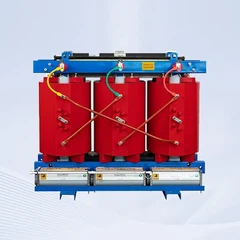
- Dry-type transformers: Cooled by air or other gases, these units are suitable for indoor installations. We offer a wide range of high-quality dry-type transformers.
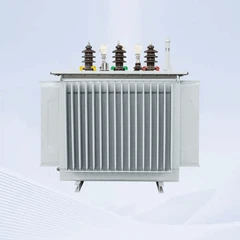
- Oil-immersed transformers: Using oil as the cooling medium, these transformers deliver higher efficiency but require additional safety precautions.
Applications of 75 kVA Transformers
These transformers are widely used in commercial, residential, and industrial scenarios. Their primary function is to step up or step down voltage levels to enable efficient power distribution and utilization.
Common applications include:

Industrial Applications
In factories, 75 kVA transformers are used to power large machinery, equipment, and manufacturing processes. They provide a stable and reliable power supply, ensuring the continuous and optimal operation of industrial facilities.
Commercial Applications
In commercial buildings such as shopping malls, office towers, and hospitals, these transformers supply power to lighting systems, HVAC (heating, ventilation, and air conditioning) systems, and other critical infrastructure and equipment. By maintaining a steady power supply, they support the smooth operation of business activities.
Residential Installations
In residential areas, 75 kVA transformers play a vital role in efficiently supplying power to households. They reduce the voltage from utility lines to levels suitable for household lighting, electrical appliances, and other devices. This not only protects electrical equipment from damage caused by voltage fluctuations but also ensures the safety of residents.
 Construction Sites
Construction sites often require temporary power solutions, and 75 kVA transformers are frequently deployed to meet this demand. They power equipment, tools, and temporary structures, accelerating the construction process.
Events and Temporary Installations
Events such as concerts, festivals, and outdoor gatherings require temporary power distribution systems. 75 kVA transformers supply electricity to stages, lighting rigs, sound systems, and other event equipment, ensuring a seamless and safe experience for attendees.
How to Select the Right 75 kVA Transformer
As electrical devices, transformers must be installed and operated in strict compliance with safety regulations. Always consult a licensed electrician and follow all safety procedures during installation.
When selecting this type of transformer, consider the following key factors carefully:
- Total Load Requirement: Determine the total kVA load of the equipment you intend to power. It is essential to choose a transformer with a capacity exceeding this load to prevent overloading.
- Primary and Secondary Voltage Compatibility: Ensure that the transformer's primary and secondary voltage ratings match your input voltage and desired output voltage.
- Physical Space Constraints: Check the transformer's dimensions to ensure it fits comfortably in the designated installation area.
Installation Process and Maintenance Methods for 75 kVA Transformers
 Installation Process
Installing a 75 kVA transformer requires careful planning and adherence to safety protocols. The process includes mounting the transformer unit, connecting the primary and secondary wiring, and ensuring proper grounding. It is recommended to consult professional engineers or electricians to ensure compliance with all relevant laws and standards.
Maintenance Methods
Regular maintenance is crucial to extending the transformer's service life and ensuring optimal performance. This includes inspecting, cleaning, and testing electrical components. Any signs of wear or malfunction must be addressed promptly to avoid power disruptions or safety hazards.
What Is the Cost of a 75 kVA Transformer?
The price of this type of transformer varies depending on the brand, specifications, and market conditions. While the initial investment may seem substantial, the long-term benefits in terms of energy efficiency, reliability, and performance far outweigh the upfront costs.
Conclusion
The 75 kVA transformer is one of the essential components of power distribution systems. Understanding its key features, applications, and functions can help you select the most suitable transformer for your needs. GNEE offers a comprehensive range of high-quality transformers to meet your power requirements.
How many Amps is a 75 kVA transformer good for?
Three Phase Transformer Full Load Amps Table
| KVA | 208v | 480v |
|---|---|---|
| 75 | 208 | 90 |
| 112-1/2 | 312 | 135 |
| 150 | 416 | 180 |
| 225 | 624 | 270 |
What is the 80% rule for transformers?
The 80% rule for transformers is a safety guideline, often derived from the National Electrical Code (NEC), stating that continuous loads (operating for 3+ hours) should not exceed 80% of the transformer's rated capacity (kVA or VA) to prevent overheating, ensure reliability, and allow for future growth. This means for a 300-watt transformer, the maximum safe continuous load is 240 watts (300W * 0.80).
What size breaker for a 75 kVA transformer?
75 KVA Transformer Power Distribution - 400A Main Breaker - 480V to 208Y/120 - 4x120V 20A Outlets.
What size wire do I need to feed A 75 kVA transformer?
According to the standards stated in Table 310.15(B)(16) and the rule stated in 240.4(B), it will require 115A ampacity. With that, it will have the recommended wire size for a 75 kVA transformer which is a 2 AWG copper conductor considering normal or standard conditions.
Send Inquiry