







How To Detect Failures In Dry Type Transformers
Jan 12, 2026
Leave a message
Transformers should be built to last, and dry type transformers, in particular, avoid some maintenance issues that can occur with oil-filled transformers. However, some potential problems can still cause a transformer to fail. In this post, we'll discuss these problems and explain how to tell if your dry type will stop working soon so you can proactively address the situation.

Common Causes of Dry Type Transformer Failure
Several issues can quickly or gradually contribute to a transformer's failure.
Some problems that can push a transformer closer to the end of its service life include:
Low-quality manufacturing: A lack of craftsmanship and quality control, paired with low-quality materials and poor designs, can make some transformers destined to fail from the start. Problems with quality are some of the most prevalent issues that lead to failures. Low-quality transformers are more likely to come to you with defects that may not be obvious initially but eventually lead to malfunctions.
Installation and operational errors: Transformers may also experience problems because they weren't installed properly. For example, installing a dry type transformer in an area where it doesn't get proper ventilation can contribute to overheating. Transformers can also experience problems if they are misused somehow, as in the case of overloading.
Maintenance issues: Staying on top of your dry type transformer's preventive maintenance needs is key if you want the unit to last. Conversely, not maintaining a transformer properly can cause problems that result in an unexpected breakdown, necessitating reactive maintenance or a complete replacement.
Normal wear and tear: Even a transformer that's well cared for will experience some wear and tear over time. This is normal and is the reason some transformers that are dependable for a long time eventually fail. High-quality transformers can last an impressive number of years, but they will eventually show their age after decades of use.
Power surges: Power surges, which occur when the flow of electricity is disrupted and then starts up again, can do lasting damage to transformers. These surges can be caused by external forces outside of your control, like a lightning strike. Power surges won't necessarily cause immediate failure, but they will put extra wear and tear on the transformer.
Learn More About Our Dry Type Transformers
Types of Transformer Failures
 To understand how to tell if your dry type will fail, you need to know the types of failures that can occur. There are two main distinctions between types of transformer problems.
Internal/mechanical failures: Some problems originate in the transformer itself, in either the coil or core. This would include overheating, for example. One study found that the most common cause of transformer failure was an internal problem - deteriorated insulation. Another term for these types of problems is mechanical failures since they have to do with defects and maintenance issues in the transformer's parts.
External/electrical failures: Other problems come from outside forces, like environmental factors, and affect a transformer's flow of electricity. This would include a power surge, for instance. You have less control over preventing external problems compared to internal ones. However, there are some steps you can take to protect against both types of faults.
Indicators That Dry Type Transformers Are Failing
There are several signs to watch for that may indicate your dry type transformer needs some repairs. Watching for these problems is the best way to tell if your dry type will fail so you can either prevent that from happening or plan to replace the transformer in a way that causes minimal disruption to your operations.
Be sure to watch for these indicators of dry type transformer failure.
1. Unusual Noise
Most signs of issues are visual, but you may also hear indicators of an impending transformer failure. Some humming from a transformer is normal due to magnetostriction. However, if your transformer seems especially noisy or you notice a change in tone or pitch, you should investigate further to see if something is amiss. Inspect your transformer for any other issues, or call the professionals to diagnose and remedy the problem.
2. Shaky Vibration
Like noise, some vibration is normal. However, you may notice that a transformer gets especially shaky over time. This can relate to age since it could mean that the anti-vibration pads underneath the transformer have worn down. When there isn't enough shock absorption, the other parts in your transformer can wear out more quickly, so it's wise to address the problem right away. If your transformer is shaking because of its age, it may be time to consider replacing it.
 3. Darker Insulation
We mentioned earlier that deteriorated insulation was the number one cause of transformer failure, according to one study. Every visual inspection of your transformer should include checking the insulation. If insulation has gotten significantly darker over time, it could be a sign that the transformer has been dealing with excessive heat, which can lead to failure.
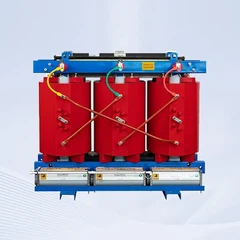
You're most likely to spot this problem toward the top of the coils since hot air rises. Comparing the color you see here to the color at the bottom can make it easy to see if there's some significant contrast.
4. Shifted Coils
A power surge can cause your transformer to fail right away. However, the effects aren't always so immediate. If you inspect your transformer and notice that the coils have shifted in position, this is a sign that a surge has occurred. Even if a transformer survives a surge, it can still experience ongoing problems as a result, so it's best to call out a technician who can inspect the transformer and determine whether it's time for a repair or a replacement.
5. Failed Tests
Another sign that your transformer may be nearing the end of its service life or needs some intervention is if it fails critical tests. If you suspect electrical issues, you should have a professional conduct a Transformer Turns Ratio (TTR) test, which measures the ratio of primary turns to secondary turns.
You can also learn about the health of your insulation by conducting a dielectric absorption test which gives you a dielectric absorption ratio. A Polarization Index (PI) ratio under 2.0 indicates a problem.
Not sure about the required capacity/voltage of the dry-type transformer for your project? Submit your load requirements and installation environment, and GNEE engineers will provide a free accurate selection plan to avoid cost waste caused by incorrect selection!
Product Parameters
| Rated Capacity (KVA) |
Junction group labe |
Voltage combination(KV) | No-load current (%) |
Load loss (W) |
No-load loss (W) |
Short circuit impedance (%) |
||
| (H.V.) | High voltage tap range(%) |
(L.V.) | ||||||
| 30 | Dyn11 YynQ |
10 6.3 6 |
±5 ±2×2.5% or -1 ×2.5% +3 |
0.4 | 2.00 | 710 | 150 | 4.0 |
| 50 | 2.00 | 1000 | 215 | |||||
| 80 | 1.50 | 1380 | 295 | |||||
| 100 | 1.50 | 1570 | 320 | |||||
| 125 | 1.30 | 1850 | 375 | |||||
| 160 | 1.30 | 2130 | 430 | |||||
| 200 | 1.10 | 2530 | 495 | |||||
| 250 | 1.10 | 2760 | 575 | |||||
| 315 | 1.00 | 3470 | 705 | |||||
| 400 | 1.00 | 3990 | 785 | |||||
| 500 | 1.00 | 4880 | 930 | |||||
| 630 | 0.85 | 5880 | 1070 | |||||
| 630 | 0.85 | 5960 | 1040 | 6.0 | ||||
| 800 | 0.85 | 6960 | 1210 | |||||
| 100C | 0.85 | 8130 | 1410 | |||||
| 1250 | 0.85 | 9690 | 1670 | |||||
| 1600 | 0.85 | 11730 | 1960 | |||||
| 2000 | 0.70 | 14450 | 2440 | |||||
| 2500 | 0.70 | 17170 | 2880 | |||||
Send Inquiry