







SCB13 vs Conventional Transformers: Best Choice for Vietnam Projects
Mar 13, 2026
Leave a message
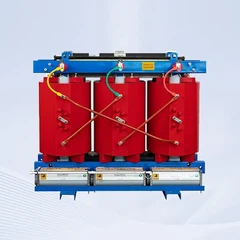
For a 630 kVA class indoor substation, an SCB13 cast-resin dry-type transformer at level-2 efficiency (GB 20052-2020: ≤ 910 W no-load, ≤ 5,880 W load at 120°C) delivers roughly the same service as an oil-immersed unit but with zero fire and leakage risk - which is why Vietnamese industrial parks, commercial towers and transport projects increasingly specify dry-type units indoors, while outdoor utility yards remain the natural home of oil-filled transformers.
Key Takeaways
- Technology: SCB13 windings are epoxy-resin cast - no oil, high mechanical strength, strong short-circuit withstand, and flame-retardant construction.
- Losses: SCB13 corresponds to level-2 efficiency; for 630 kVA, ≤ 910 W no-load and ≤ 5,880 W load at 120°C (GB 20052-2020 Table 2).
- Safety: no flammable liquid makes SCB13 the default for malls, hospitals, airports, data centres and office buildings.
- Not universal: oil-immersed units still win on overload margin, outdoor suitability and first cost - choose by installation, load profile and fire code, not by brand loyalty.
1. What SCB13 Means, and How the Technology Differs
In the Chinese designation, SCB13 breaks down as: S = three-phase, C = cast (epoxy-resin solid insulation), B = foil winding on the LV side, 13 = loss-level designation, equivalent to level-2 energy efficiency under GB 20052-2020. It is the current mainstream cast-resin dry-type design for distribution duty.

Transformer installed in factory power distribution room
1.1 SCB13 dry-type technology
- Epoxy-resin cast windings - strong dielectric insulation, immune to moisture and dust ingress.
- High mechanical strength and strong short-circuit resistance (the cast body withstands electrodynamic forces).
- Flame-retardant, self-extinguishing construction - no oil, no fire load.
- Low maintenance: no oil sampling, no conservator, no DGA programme.
1.2 Conventional (oil-immersed) technology
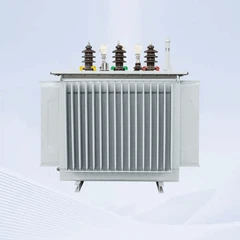
- Insulating oil provides both cooling and dielectric strength, with excellent overload capability.
- Well understood, widely available, lower first cost for outdoor installations.
- But: oil leakage risk, higher maintenance, fire-safety constraints indoors, larger footprint.
2. Energy Efficiency: Where the Numbers Sit
The SCB13 loss level means level-2 efficiency under GB 20052-2020. For a 630 kVA 10/0.4 kV unit (grain-oriented core, F class), the level-2 limits are:
| Parameter | SCB13 630 kVA (Level-2 limits) |
|---|---|
| No-load loss | ≤ 910 W |
| Load loss at 120°C (F class) | ≤ 5,880 W |
| Short-circuit impedance | 6.0% – 8.0% |
Per GB 20052-2020 Table 2 (10 kV dry-type, level 2, grain-oriented core). The factory type-test report is the binding reference for any actual unit.
Each step in the loss-level sequence (e.g. SCB12 → SCB13) cuts no-load loss by roughly 5%, so an SCB13 unit's no-load loss is typically around 20% below a decade-old design - a claim that should be checked against the standard tables rather than accepted from marketing copy.
3. Safety and Environmental Profile
The decisive advantage indoors is the absence of flammable oil:
Fire safety: self-extinguishing resin, no explosion or oil-spread risk - suitable for shopping malls, hospitals, airports, data centres and office buildings.
- Environmental: no oil leakage into soil or water; aligns with green-building and ESG requirements increasingly applied to Vietnamese projects.
- Localisation: quieter operation and compact footprint ease indoor room layout.
Selection rule: indoors, near people, or flood-prone → dry-type (SCB). Outdoor yard, heavy overload cycles, or budget-constrained utility work → oil-immersed. Both are legitimate; the mistake is choosing by habit instead of by site.
4. Fit for Vietnamese Industrial and Infrastructure Projects
- Industrial manufacturing plants: continuous production lines need stable voltage and low-loss operation; SCB13's low partial discharge and tight regulation suit automation loads.
- Commercial buildings: compact, safe indoor installation inside electrical rooms of towers and malls.
- Infrastructure: airports, metro systems and hospitals demand reliability plus low maintenance; dry-type units reduce fire-fighting and containment requirements in these critical facilities.
5. Typical SCB13 630 kVA Specification Reference
| Parameter | Specification |
|---|---|
| Rated capacity | 630 kVA |
| Type | Three-phase cast-resin dry-type (SCB13) |
| High voltage | 10 kV / 11 kV |
| Low voltage | 0.4 kV |
| Frequency | 50 Hz / 60 Hz |
| Cooling method | AN / AF |
| Insulation class | F / H |
| Vector group | Dyn11 |
| No-load loss | ≤ 910 W (level-2, GB 20052-2020) |
| Load loss (120°C) | ≤ 5,880 W (level-2, GB 20052-2020) |
| Impedance voltage | 6% |
| Temperature rise | ≤ 100 K |
| Protection level | IP20 / IP23 |
| Noise level | ≤ 60 dB |
Reference values; parameters vary with project requirements, local electrical standards and the manufacturer's approved datasheet.
Frequently Asked Questions
What does SCB13 mean in a transformer model?
In the Chinese designation system, SCB13 reads as:
S = three-phase, C = cast (epoxy resin solid insulation), B = foil winding on the LV side, and 13 = the loss level designation, which corresponds to level-2 energy efficiency under GB 20052-2020 for dry-type distribution transformers.
What are the guaranteed losses of an SCB13 630 kVA transformer?
For a 630 kVA 10/0.4 kV SCB13 unit at level-2 efficiency (GB 20052-2020 Table 2, grain-oriented core): no-load loss ≤ 910 W and load loss ≤ 5,880 W at 120°C (F class), with short-circuit impedance 6.0–8.0%. Always confirm the factory type-test report, which is the binding document.
How much lower are SCB13 losses than older dry-type models?
Each loss level in the GB/T 10228 sequence cuts no-load loss by roughly 5% versus the previous level (e.g. SCB12 → SCB13), with similar improvements in load loss. The practical claim is 'roughly 20% lower no-load loss than a decade-old design', but exact figures must be compared using the standards tables, not marketing text.
Is a dry-type transformer always better than an oil-filled one?
No. Dry-type (SCB) units win on indoor fire safety, zero oil leakage and low maintenance; oil-immersed units win on overload capability, generally lower first cost and outdoor suitability. The correct choice depends on installation location, load profile, fire codes and lifecycle cost - not on a blanket preference.
References
- GB/T 10228-2015 - (Technical parameters and requirements for dry-type power transformers).
- GB 20052-2020 - (Minimum allowable values of energy efficiency and the energy efficiency grades for power transformers).
- IEC 60076-11:2018 - Power transformers, Part 11: Dry-type transformers.
- EVN (Vietnam Electricity) - grid standard voltages 220/110/35/22/10/0.4 kV. evn.com.vn
- GNEE Electric - Dry Type Transformer range.
Standards and figures above were verified against the cited sources as of the publication date. If you spot an error, contact us so we can correct it.
Planning a Project and Comparing Transformer Technologies?
Send your load profile, installation type and voltage - we will recommend the right dry-type or oil-immersed configuration with loss data and a quotation.
Or email sales@gneeelectric.com · WhatsApp +86 158 2468 7445
Disclaimer: This article is provided for general information and does not constitute engineering advice or a product warranty. Loss limits cited from the standards are indicative; the manufacturer's type-test report is the binding reference for any unit. Confirm compliance with the applicable local code for your project. Henan GNEE Electric Co., Ltd. makes no representation regarding the accuracy of third-party references.

Transformer packaging for export
If you are planning a project and need a dependable SCB13 transformer, contact GNEE today for technical consultation, customized specifications, and competitive pricing. Send us your inquiry now to receive a professional quotation.
Send Inquiry