







What is a step-down substation?
Aug 07, 2025
Leave a message
What is a step-down substation?
The step-down substation is the core power facility that converts high-voltage or ultra-high-voltage electricity into distribution voltage, and assumes the functions of power reception, voltage conversion and power distribution in the power system. As an important node of the power grid, it realizes the connection of power grids with different voltage levels through transformers. Substations can be divided into boost substations and step-down substations according to the function of transformers, the latter accounting for the majority in the power system.

The core equipment includes:
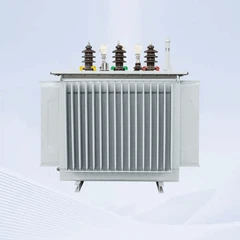
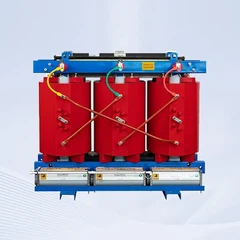
1.Power transformer: an electromagnetic device that realizes voltage conversion
2.Circuit breaker/isolating switch: circuit control and protection equipment
3.Relay protection system: fault detection and automatic isolation device
Applicable occasions:
Power supply to end users
The step-down substation is usually located at the end of the transmission line, directly reducing the high voltage to a voltage level suitable for end users such as residential areas and industrial areas (such as 10kV or 35kV) to ensure that electricity is directly transmitted to the end user.
Regional power distribution
In the regional power grid, the step-down substation is responsible for distributing high-voltage electricity to the medium-voltage or low-voltage power grid to support the industrial, commercial and residential electricity demand in the region.
Enterprises and special scenes
Some step-down substations are dedicated to specific enterprises (such as large factories, hospitals, etc.) or special scenarios (such as subway traction power supply systems) to meet specific load needs through step-down processing.
Send Inquiry