







What is the Difference Between Pole Mounted and Pad-Mounted Transformers?
May 15, 2025
Leave a message
1.
What Are the Installation Methods for Pole Mounted vs. Pad-Mounted Transformers?
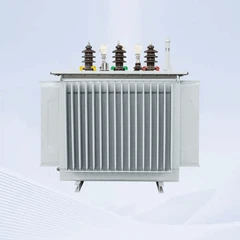
Pole mounted transformers are typically attached directly to utility poles or freestanding towers, often seen in residential or rural areas where overhead power lines are common. Their compact design allows easy installation and visibility, making them ideal for low-to-medium voltage applications. In contrast, pad mounted transformers are installed on concrete pads on the ground, often in urban or commercial settings. This ground-level placement requires a robust foundation to secure the unit, which is enclosed in a weatherproof housing.
Key differences:
Pole transformer: Installed on poles, occupying less ground space.
Pad mounted distribution transformers: Fixed on solid pads, offering protection against environmental factors.
Both types come in single-phase pole transformers (for residential use) and 3-phase pad mounted transformers (for commercial or industrial demand).


2.
In Which Scenarios Are Each Type Best Suited?
Pole mounted transformers excel in areas with limited space or existing overhead infrastructure. For example, a single-phase pole mounted transformer might power a small neighborhood or a rural home, where electricity demand is lower. Meanwhile, pad mounted transformers are preferred in urban zones where underground cables are standard. A 3-phase pad mounted transformer can efficiently distribute power to high-load facilities like factories or apartment complexes.
Key applications:
Pole transformer: Residential, agricultural, or low-power commercial use.
Pad mounted distribution transformers: Urban developments, substations, or industrial parks.

3.
How Do Their Electrical Capacities Differ?
The single-phase pole transformer typically handles smaller loads (e.g., 10–50 kVA), suitable for individual buildings. In contrast, 3-phase pole mounted transformers can support higher capacities (up to 250 kVA), making them viable for small businesses. Pad mounted transformers, however, often come in higher voltage ratings. A 3-phase pad mounted transformer may range from 50–1,000 kVA, powering large-scale systems. The single-phase pad mounted transformer is less common but available for specific niche uses, such as street lighting.
4.
What Are the Maintenance Challenges for Each Type?
Pole mounted transformers are exposed to the elements, requiring regular inspections for corrosion or damage to the pole structure. Since they're visible, minor issues can be addressed promptly. Pad mounted transformers, however, are shielded indoors, reducing the risk of vandalism or weather damage. Their enclosed design, though safer, makes internal maintenance more complex, requiring specialized tools.
Maintenance considerations:
Pole transformer: Susceptible to bird nests, weather exposure.
Pad mounted transformer: Less visible to external threats but harder to access internally.

5.
Which Has Better Safety and Reliability?
Pad mounted transformers generally offer superior safety due to their enclosed design, which protects against accidental contact and environmental hazards like floods or debris. They're also less prone to tampering. Conversely, pole transformers can pose risks in crowded areas or if the pole structure weakens over time. Both types require compliance with safety standards, but pad mounted distribution transformers are favored in densely populated regions for their lower incident rates.
Safety features:
Pad mounted: Ground-level enclosure with ventilation and fireproof materials.
Pole transformer: Requires protective guards but relies more on installation integrity.
GNEE Group Since 2008, specializing in the transformer field for 18 years, has delivered more than 50,000 units of equipment globally.Looking forward to working with you!

Send Inquiry