







Several Oil Systems Of Oil-immersed Transformers
Mar 26, 2024
Leave a message
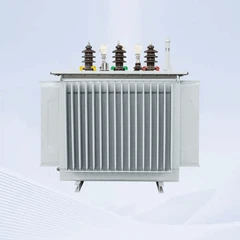
Oil-immersed transformers have several independent oil systems that are isolated from each other. When the oil-immersed transformer is operating, the oils in these independent oil systems are not connected to each other, and the oil quality and operating conditions are also different. Gas chromatography analysis of the oil content must be performed separately to determine whether there is a potential fault.
(1) Main body internal oil system. The oil systems communicating with the oil around the windings are all systems within the main body, including the oil in the cooler or radiator, the oil in the oil conservator, and the oil in the oil-filled casing at 35kV and below.
When filling oil, the gas bleed plug stored in the oil system must be released. Generally speaking, the above components should have their own bleed plugs. The oil in the main body mainly plays the role of insulation and cooling. Oil also increases the electrical strength of insulating paper or cardboard. During vacuum oil filling, if some components cannot withstand the same vacuum strength as the main oil tank, temporary gate isolation should be used, such as the gate valve between the oil conservator and the main oil tank. The lift of the submersible oil pump on the cooler must be sufficient to prevent air from being sucked in due to negative pressure. This oil system must have a protection system with a pressure relief device to eliminate the pressure generated when the oil body fails.
(2) Oil in the diverter switch chamber of the on-load tap-changer. This part of the oil has its own protection system, namely flow relay, oil conservator, and pressure relief valve. The oil in this switch chamber serves to insulate and extinguish current. The oil will go into the oil generated when the transfer switch cuts off the load current. This oil system must have good sealing performance, and the sealing performance must be protected even if arc pressure is generated during the switching process.
Although the oil in the diverter switch chamber of the on-load tap changer is isolated from the oil in the main body, during vacuum oil filling, in order to avoid damaging the seal of the diverter switch chamber, the oil in the diverter switch chamber should be vacuum oiled at the same time as the oil in the main body. During vacuum oil filling, the two The system has the same vacuum degree. If necessary, the oil conservator of this system should also be isolated during vacuuming. For structural convenience, the oil storage tank of the main body and the oil storage tank of the switch room are designed to be isolated from each other as a whole.
(3) Fully sealed for voltage levels of 60kV and above. This oil system mainly plays an insulating role, or increases the electrical strength of the insulating paper in the oil capacitor bushing. When filling oil into the main body, the terminals at the end of the casing should be sealed to prevent air from entering.
(4) Oil in the high-voltage outlet box or oil in the point gas outlet box. The high-voltage outlet lines of the three-phase 500kV transformer pass through the corrugated insulation isolation oil system. This oil system mainly plays an insulating role.
To simplify the structure, this oil system can also be connected to the oil system in the main body through connecting pipes or designed as a separate oil system.
(5) When conducting various insulation tests on oil-immersed transformers, the first step is to deflate the gas and release the gas that may be stored through the vent plug. Potential faults can be predicted by analyzing the gas chromatographic analysis of the oil in each system. Each oil system must meet operational requirements, such as absorbing changes in oil volume when oil expands and contracts, oil drain valves, vent plugs, isolation valves between coolers and radiators and the main oil tank, etc. Each oil system has good sealing performance. The oil in the transfer switch chamber of the on-load tap changer should be replaced separately without releasing the oil in the main body. During transportation, the oil in the main body can be released and filled with dry nitrogen.
Send Inquiry