





Various Oil Leakage Situations Of Oil-immersed Transformers
Mar 25, 2024
Leave a message
1. Oil leakage from welding joints
Mainly due to poor welding quality, there are weak welds, desoldering, pinholes, blisters and other defects in the welds. The oil-immersed transformer is covered with welding flux and paint when it leaves the factory, and hidden dangers will be exposed after operation. In addition, electromagnetic vibration will Vibration cracks the welding and causes leakage. For leaks that have already occurred, first find the leak point and do not miss it. For serious leakage areas, metal tools such as flat shovels or sharp punches can be used to rivet the leakage point. After controlling the amount of leakage, clean the treatment surface. Polymer composite materials are often used for curing. After curing, long-term treatment can be achieved. leakage purpose.
2. Oil leakage from seals
The reason for poor sealing is that the box edge and box cover are usually sealed with oil-resistant rubber rods or rubber pads. If the joints are not properly handled, oil leakage will occur. Some are tied with plastic tape, and some directly press the two ends together. Due to rolling during installation, the interface cannot be pressed firmly, and the sealing effect is not achieved, and oil still leaks. Fu Shi Blue material can be used for bonding to make the joints integral and the oil leakage phenomenon can be greatly controlled; if the operation is convenient, the metal shell can also be bonded at the same time to achieve the purpose of leakage control.
3. Oil leakage at flange connection
The surface of the flange is uneven, the fastening bolts are loose, and the installation process is incorrect, resulting in poor tightening of the bolts, resulting in oil leakage. After tightening the loose bolts first, seal the flange and deal with the bolts that may leak to achieve complete control. To tighten loose bolts, the operation process must be strictly followed.
4. Oil leakage from bolt or pipe threads
When leaving the factory, the workmanship is rough and the sealing is poor. Oil leakage occurs after the oil-immersed transformer is sealed for a period of time. Polymer materials are used to seal the bolts to prevent leakage. Another method is to unscrew the bolt (nut), apply Fushilan release agent on the surface, and then apply material on the surface and tighten it. After solidification, the purpose of treatment can be achieved.
5. Oil leakage from cast iron parts
The main cause of oil leakage is blisters and cracks in cast iron parts. For crack leakage, drilling crack relief holes is the best way to relieve stress and avoid extension. During treatment, lead wire can be driven into the leaking point or riveted with a hand hammer according to the crack situation. Then clean the leaking point with acetone and seal it with material. Casting holes can be sealed directly with materials.
6. Radiator oil leakage
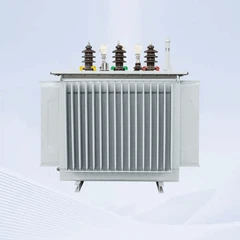
The heat pipe of the radiator is usually made of seamed steel pipe after being flattened and stamped. Oil leakage often occurs in the bent and welded parts of the heat pipe. This is because when the heat pipe is stamped, the outer wall of the pipe is under tension and the inner wall is under pressure. , caused by the existence of residual stress. Close the upper and lower flat valves (butterfly valves) of the radiator to isolate the oil in the radiator from the oil in the box and reduce pressure and leakage. After determining the leakage location, perform appropriate surface treatment, and then use Fushi blue material for sealing treatment.
7. Oil leakage from porcelain bottles and glass oil standards
Usually caused by improper installation or seal failure. Polymer composite materials can well bond metal, ceramics, glass and other materials to achieve fundamental control of oil leakage.
Send Inquiry