


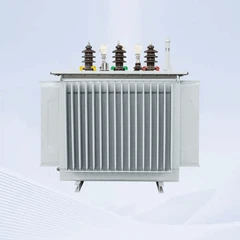




How to ensure the electromagnetic compatibility of a large power transformer?
Oct 14, 2025
Leave a message
Hey there! I'm part of a large power transformer supplier, and today I wanna talk about how to ensure the electromagnetic compatibility (EMC) of a large power transformer. It's a crucial topic, especially when you're dealing with high - voltage and high - power equipment like ours.
First off, let's understand what electromagnetic compatibility is. In simple terms, EMC means that a device can operate in its electromagnetic environment without causing intolerable electromagnetic interference to other devices and can also withstand the electromagnetic interference in that environment without degrading its performance. For large power transformers, achieving EMC is no easy feat, but it's essential for the reliable operation of the entire power system.
Design Considerations for EMC
One of the key steps in ensuring EMC starts right at the design stage. When we design a large power transformer, we pay close attention to the layout of the windings. The way the windings are arranged can significantly affect the electromagnetic fields generated by the transformer. For example, we use a balanced winding design. This helps to minimize the unbalanced magnetic fields that can cause electromagnetic interference. By carefully calculating the number of turns, the spacing between the windings, and the winding configuration, we can reduce the leakage magnetic fields to a great extent.
Another important aspect of design is the choice of materials. We use high - quality magnetic core materials with low magnetic losses. These materials not only improve the efficiency of the transformer but also help in reducing the electromagnetic noise. For instance, grain - oriented electrical steel is a popular choice for our transformer cores. It has excellent magnetic properties, which can effectively guide the magnetic flux and reduce the stray magnetic fields.
We also consider the shielding design. Shielding is a great way to contain the electromagnetic fields within the transformer. We use conductive shields around the windings and the core. These shields act as a barrier, preventing the electromagnetic fields from spreading out and interfering with other nearby equipment. For example, copper or aluminum shields can be used to provide electrostatic shielding, while magnetic shields can be used to control the magnetic fields.
Manufacturing and Assembly
Once the design is finalized, the manufacturing and assembly processes are equally important for EMC. During manufacturing, we ensure strict quality control. For example, the insulation materials used in the transformer must be of high quality and properly installed. Any defects in the insulation can lead to partial discharges, which are a major source of electromagnetic interference. We test the insulation materials thoroughly to make sure they meet the required standards.
The assembly process also needs to be precise. All the components of the transformer must be assembled correctly. Loose connections or misaligned parts can cause uneven electromagnetic fields. We use advanced assembly techniques and tools to ensure that every part is in its proper place. For example, when we assemble the windings, we use automated winding machines to ensure uniform winding and tight tolerances.
Testing and Certification
After the transformer is manufactured, we conduct a series of EMC tests. These tests are designed to simulate the real - world electromagnetic environment and check if the transformer meets the EMC requirements. We use specialized test equipment to measure the electromagnetic emissions and the immunity of the transformer.
For example, we perform radiated emission tests to measure the electromagnetic fields radiated by the transformer in the radio frequency range. We also conduct conducted emission tests to measure the electrical interference conducted through the power lines and the control cables. If the transformer fails to meet the EMC standards during these tests, we go back to the design or manufacturing process to identify and fix the issues.
Once the transformer passes all the EMC tests, we obtain relevant certifications. These certifications are a guarantee that our transformers meet the international EMC standards. This gives our customers confidence in the performance of our products.


Real - World Examples
Let's take a look at some of our products and how we ensure their EMC. For instance, our GNEE EC 3000KVA Power Transformer Supplier. This transformer is designed with a highly optimized winding layout. The use of high - quality insulation materials and proper shielding ensures that it has excellent EMC performance. It can operate stably in various electromagnetic environments without causing interference to other equipment.
Another example is our 67kV three - phase oil immersed power transformer. In the manufacturing process of this transformer, we pay special attention to the installation of the insulation and the assembly of the components. Through strict quality control and comprehensive EMC testing, we ensure that it can meet the high - voltage and high - power EMC requirements.
Our 8000 Kva Distribution Power Transformer is also a great example. With its advanced design and reliable manufacturing, it has a low level of electromagnetic emissions. This is very important for distribution systems, where there are many other sensitive electrical devices nearby.
Conclusion
Ensuring the electromagnetic compatibility of a large power transformer is a complex but necessary task. It involves every stage from design to testing. By following strict design principles, high - quality manufacturing processes, and comprehensive testing procedures, we can produce transformers with excellent EMC performance.
If you're in the market for a large power transformer and are concerned about electromagnetic compatibility, we're here to help. Our transformers are designed and manufactured to meet the highest EMC standards, ensuring reliable and interference - free operation. Contact us for more information and let's start a great business relationship!
References
- "Electromagnetic Compatibility Engineering" by Henry W. Ott
- "Power Transformer Engineering: Design, Technology, and Diagnostics" by George Karady and Gyu - Tae Heo
Send Inquiry