







How to slow down the aging of the insulation material in a unit substation transformer?
Jul 24, 2025
Leave a message
Hey there! As a supplier of Unit Substation Transformers, I've seen firsthand how crucial it is to slow down the aging of insulation materials in these transformers. In this blog, I'll share some practical tips and insights on how you can achieve this.
Understanding the Aging Process of Insulation Materials
Before we dive into the ways to slow down aging, let's quickly understand what causes insulation materials in unit substation transformers to age. The main culprits are heat, moisture, oxygen, and electrical stress.
Heat is one of the biggest enemies of insulation. When the transformer operates, it generates heat, and if this heat isn't properly managed, it can accelerate the aging of the insulation. High temperatures can cause the insulation to break down chemically, reducing its effectiveness over time.
Moisture is another problem. Even small amounts of moisture can have a significant impact on the insulation. It can lower the dielectric strength of the insulation, making it more prone to electrical breakdown.
Oxygen can also react with the insulation material, leading to oxidation. This can cause the insulation to become brittle and lose its flexibility, which is essential for proper functioning.
Electrical stress, such as high voltages and surges, can cause partial discharges within the insulation. These discharges can gradually erode the insulation material, leading to its deterioration.
Tips to Slow Down the Aging of Insulation Materials
1. Temperature Control
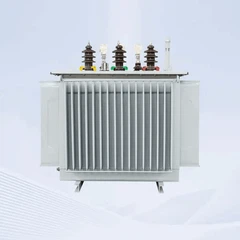
One of the most effective ways to slow down insulation aging is to keep the transformer operating at a proper temperature. This means having a good cooling system in place. For example, using oil - cooled transformers can be a great option. The oil acts as a coolant, absorbing the heat generated by the transformer and transferring it to a radiator or cooling fins.
Regularly monitoring the temperature of the transformer is also crucial. You can use temperature sensors to keep track of the hot - spot temperature. If the temperature starts to rise above the recommended level, you may need to take corrective actions, such as increasing the cooling capacity or reducing the load on the transformer.
2. Moisture Prevention
To prevent moisture from entering the transformer, proper sealing is essential. Make sure that all the joints, gaskets, and seals are in good condition. Regularly inspect them for any signs of damage or wear.
Using desiccants in the transformer can also help. Desiccants absorb moisture from the air inside the transformer, keeping the environment dry. You should replace the desiccants regularly to ensure their effectiveness.
Another option is to use a nitrogen - filled system. Nitrogen is an inert gas, which means it doesn't react with the insulation material. By filling the transformer with nitrogen, you can create a moisture - free environment and reduce the risk of oxidation.
3. Oxygen Exclusion
As mentioned earlier, oxygen can cause oxidation of the insulation material. To exclude oxygen, you can use sealed transformers. These transformers are designed to prevent air from entering, reducing the exposure of the insulation to oxygen.
In some cases, you can also use anti - oxidant additives in the insulation oil. These additives can react with the oxygen before it has a chance to react with the insulation material, slowing down the oxidation process.
4. Managing Electrical Stress
To reduce electrical stress on the insulation, you need to ensure that the transformer is properly rated for the electrical load. Overloading the transformer can increase the electrical stress on the insulation, leading to faster aging.
Installing surge protectors can also help. Surge protectors can divert the high - voltage surges away from the transformer, protecting the insulation from damage.
Regularly testing the insulation for partial discharges is important. You can use specialized equipment to detect these discharges early on and take corrective actions before they cause significant damage to the insulation.
The Role of High - Quality Insulation Materials
Using high - quality insulation materials from the start can make a big difference in slowing down the aging process. When choosing insulation materials, look for those with high thermal stability, good dielectric strength, and resistance to moisture and oxidation.
At our company, we offer a range of YBW 10kV Outdoor European Prefabricated Substation, Prefabricated Compact Substation, and Electrical Substation products that are designed with high - quality insulation materials. These materials are carefully selected to ensure long - term performance and durability.
Regular Maintenance and Inspection
Regular maintenance and inspection are key to keeping the insulation in good condition. You should have a scheduled maintenance plan in place, which includes tasks such as checking the oil level, testing the insulation resistance, and inspecting the cooling system.
During the inspection, look for any signs of aging or damage, such as cracks, discoloration, or swelling of the insulation material. If you notice any issues, address them immediately to prevent further damage.


Conclusion
Slowing down the aging of insulation materials in unit substation transformers is essential for ensuring the long - term performance and reliability of the transformers. By controlling the temperature, preventing moisture and oxygen exposure, managing electrical stress, using high - quality insulation materials, and performing regular maintenance, you can significantly extend the lifespan of the insulation.
If you're in the market for a new unit substation transformer or need advice on maintaining your existing one, don't hesitate to reach out. We're here to help you make the right choices and keep your transformers running smoothly for years to come.
References
- IEEE Guide for Acceptance and Maintenance of Mineral - Oil - Immersed Transformers and Components
- IEC Standards for Power Transformers
- Technical literature from major transformer insulation material manufacturers
Send Inquiry