

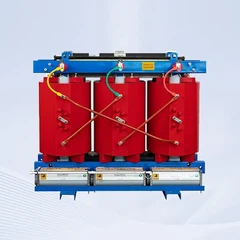




How to slow down the insulation aging of dry type transformers?
Aug 26, 2025
Leave a message
As a seasoned supplier of dry type transformers, I've witnessed firsthand the critical role these electrical workhorses play in various industries. One of the most pressing concerns in the operation of dry type transformers is insulation aging, which can significantly impact their performance and lifespan. In this blog post, I'll share some valuable insights on how to slow down the insulation aging of dry type transformers, drawing on my years of experience in the field.


Understanding Insulation Aging in Dry Type Transformers
Before delving into the strategies for slowing down insulation aging, it's essential to understand what causes it. Insulation aging in dry type transformers is primarily due to a combination of thermal, electrical, mechanical, and environmental stresses.
Thermal stress is one of the most significant factors contributing to insulation aging. When a transformer operates at high temperatures, the insulation material gradually degrades, losing its dielectric properties over time. Electrical stress, such as high voltage spikes and surges, can also cause partial discharges within the insulation, leading to its deterioration. Mechanical stress, including vibrations and shocks during transportation and operation, can damage the insulation structure. Environmental factors, such as humidity, dust, and chemical contaminants, can further accelerate the aging process.
Controlling Operating Temperature
One of the most effective ways to slow down insulation aging is to control the operating temperature of the dry type transformer. High temperatures accelerate the chemical reactions within the insulation material, leading to its degradation. Therefore, it's crucial to ensure that the transformer operates within its rated temperature limits.
Proper ventilation is essential for maintaining a low operating temperature. Dry type transformers should be installed in well-ventilated areas to allow for efficient heat dissipation. Additionally, using cooling fans or air conditioners can help to reduce the temperature inside the transformer enclosure. Regularly monitoring the temperature of the transformer windings and core using temperature sensors can also help to detect any abnormal temperature rises early and take appropriate measures to prevent overheating.
Minimizing Electrical Stress
To minimize electrical stress on the insulation, it's important to ensure that the transformer is properly rated for the electrical load it will be carrying. Overloading the transformer can cause excessive current flow, leading to increased temperature and electrical stress on the insulation. Therefore, it's crucial to size the transformer correctly based on the load requirements.
Using surge protectors and voltage regulators can also help to protect the transformer from high voltage spikes and surges. These devices can absorb and dissipate the excess energy, preventing it from reaching the transformer insulation. Regularly testing the insulation resistance of the transformer can also help to detect any signs of electrical degradation early and take appropriate measures to prevent insulation failure.
Reducing Mechanical Stress
Mechanical stress can be reduced by ensuring that the transformer is properly installed and secured. During transportation, the transformer should be carefully packaged and secured to prevent any vibrations and shocks. When installing the transformer, it should be mounted on a stable and level surface using appropriate mounting brackets and bolts.
Regularly inspecting the transformer for any signs of mechanical damage, such as cracks or loose connections, can also help to prevent insulation failure. Any damaged components should be replaced immediately to ensure the safe and reliable operation of the transformer.
Protecting Against Environmental Factors
Environmental factors can have a significant impact on the insulation aging of dry type transformers. Therefore, it's important to protect the transformer from humidity, dust, and chemical contaminants.
Installing the transformer in a clean and dry environment can help to prevent the accumulation of dust and moisture on the insulation surface. Using moisture-proof enclosures and filters can also help to protect the transformer from humidity and dust. Additionally, avoiding exposing the transformer to chemical contaminants, such as solvents and corrosive gases, can help to prevent the degradation of the insulation material.
Regular Maintenance and Inspection
Regular maintenance and inspection are essential for ensuring the long-term performance and reliability of dry type transformers. A comprehensive maintenance program should include regular visual inspections, electrical tests, and temperature monitoring.
During visual inspections, the transformer should be checked for any signs of physical damage, such as cracks, burns, or loose connections. The insulation surface should also be inspected for any signs of contamination or degradation. Electrical tests, such as insulation resistance testing and partial discharge testing, can help to detect any signs of electrical degradation early. Temperature monitoring can help to detect any abnormal temperature rises, which may indicate a problem with the transformer.
Conclusion
In conclusion, slowing down the insulation aging of dry type transformers is crucial for ensuring their long-term performance and reliability. By controlling the operating temperature, minimizing electrical stress, reducing mechanical stress, protecting against environmental factors, and performing regular maintenance and inspection, you can significantly extend the lifespan of your dry type transformers.
As a supplier of dry type transformers, we offer a wide range of high-quality products, including SC(B) Series Resin Encapsulated Dry Type Transformers, 1500kVA 13.8/0.4KV Dry-Type Transformer, and 300kVA Dry Type Power Transformer. Our transformers are designed to meet the highest industry standards and are built to last.
If you're interested in learning more about our dry type transformers or have any questions about insulation aging and maintenance, please feel free to contact us. We'll be happy to assist you with your procurement needs and provide you with the technical support you need to ensure the optimal performance of your transformers.
References
- Electrical Power Transformer Engineering: Design, Construction, and Applications by George E. McPherson Jr. and Robert D. Laramore
- Transformer Engineering: Design, Technology, and Diagnostics by G. S. Sidhu
- IEEE Guide for Dry-Type Distribution and Power Transformer Loading by IEEE Power and Energy Society
Send Inquiry