







How does the stability of an Amorphous Core Transformer compare to other transformers?
Aug 26, 2025
Leave a message
Hey there! As a supplier of Amorphous Core Transformers, I've been getting a lot of questions lately about how these transformers stack up in terms of stability compared to other types. So, I thought I'd take a deep dive into this topic and share my insights with you all.
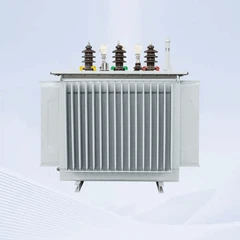
First off, let's talk a bit about what an Amorphous Core Transformer is. An Amorphous Core Transformer is a type of transformer that uses an amorphous metal alloy for its core. This alloy has unique magnetic properties that make it different from the traditional silicon steel cores used in most transformers.
Now, when it comes to stability, there are a few key aspects we need to consider: electrical stability, thermal stability, and mechanical stability.
Electrical Stability
One of the biggest advantages of Amorphous Core Transformers in terms of electrical stability is their low core loss. Core loss is basically the energy that gets wasted as heat when the transformer is operating. With traditional silicon steel core transformers, this loss can be relatively high, especially at high frequencies. But Amorphous Core Transformers have a much lower core loss, which means they're more efficient and can maintain a more stable electrical output.
This low core loss also means that Amorphous Core Transformers are less likely to experience voltage fluctuations. Voltage fluctuations can be a real pain in the neck, especially for sensitive electrical equipment. They can cause malfunctions, reduce the lifespan of the equipment, and even lead to safety hazards. But because Amorphous Core Transformers are so stable electrically, they can help prevent these issues and keep your electrical system running smoothly.
Another factor that contributes to the electrical stability of Amorphous Core Transformers is their high magnetic permeability. Magnetic permeability is a measure of how easily a material can be magnetized. Amorphous metal alloys have a much higher magnetic permeability than silicon steel, which means they can store and transfer magnetic energy more efficiently. This results in a more stable magnetic field within the transformer, which in turn leads to a more stable electrical output.
Thermal Stability
Thermal stability is another important aspect of transformer performance. When a transformer is operating, it generates heat, and if this heat isn't dissipated properly, it can cause the transformer to overheat and fail. This is where Amorphous Core Transformers really shine.
As I mentioned earlier, Amorphous Core Transformers have a low core loss, which means they generate less heat in the first place. But even when they do generate heat, they're better at dissipating it than traditional transformers. This is because the amorphous metal alloy used in their cores has a higher thermal conductivity than silicon steel. Thermal conductivity is a measure of how easily heat can transfer through a material, and a higher thermal conductivity means that heat can be transferred away from the core more quickly.
In addition to their high thermal conductivity, Amorphous Core Transformers also often have better cooling systems. Many Amorphous Core Transformers are designed with advanced cooling technologies, such as forced air cooling or oil cooling, which can help keep the temperature of the transformer under control even under heavy loads.
Mechanical Stability
Mechanical stability is also crucial for transformers, especially in applications where they're subject to vibrations or shocks. Amorphous Core Transformers are generally more mechanically stable than traditional transformers because of the unique properties of the amorphous metal alloy used in their cores.
The amorphous metal alloy is a lot more flexible and ductile than silicon steel, which means it can better withstand mechanical stress without cracking or breaking. This makes Amorphous Core Transformers more resistant to vibrations and shocks, which can help prevent damage to the transformer and ensure its long-term reliability.
Comparison with Other Types of Transformers
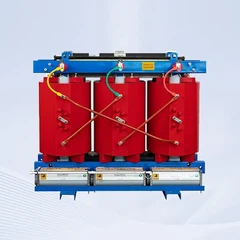
Now, let's compare Amorphous Core Transformers with some other common types of transformers, such as Amorphous Steel Core Transformer and SCBH15 Amorphous Alloy Dry Type Transformer.
Amorphous Steel Core Transformers are similar to Amorphous Core Transformers in that they also use an amorphous metal alloy for their cores. However, there are some differences in their design and performance. Amorphous Steel Core Transformers are typically more suitable for high-power applications, while Amorphous Core Transformers are better for low to medium-power applications. In terms of stability, both types of transformers are quite good, but Amorphous Core Transformers generally have a slight edge in terms of electrical and thermal stability.


SCBH15 Amorphous Alloy Dry Type Transformers are a type of dry type transformer that uses an amorphous alloy for its core. Dry type transformers are often used in indoor applications where there's a risk of fire or explosion, because they don't use oil for cooling. SCBH15 Amorphous Alloy Dry Type Transformers are known for their high efficiency and low noise levels, and they're also quite stable in terms of electrical and thermal performance. However, compared to Amorphous Core Transformers, they may not be as mechanically stable, especially in applications where they're subject to heavy vibrations or shocks.
Conclusion
So, to sum it all up, Amorphous Core Transformers are generally more stable than other types of transformers in terms of electrical, thermal, and mechanical performance. Their low core loss, high magnetic permeability, high thermal conductivity, and flexible core material all contribute to their superior stability.
If you're in the market for a transformer and you're looking for a reliable and stable option, I highly recommend considering an Amorphous Core Transformer. Whether you're using it in a commercial building, an industrial facility, or a renewable energy project, an Amorphous Core Transformer can help ensure the smooth and efficient operation of your electrical system.
If you're interested in learning more about our Amorphous Core Transformers or if you have any questions about how they can benefit your specific application, please don't hesitate to reach out. We'd be more than happy to discuss your needs and help you find the perfect transformer solution for your project.
References
- "Transformer Handbook" by John J. Cathey
- "Power System Analysis and Design" by J. Duncan Glover, Mulukutla S. Sarma, and Thomas J. Overbye
- Technical papers and research studies on Amorphous Core Transformers published in industry journals and conferences.
Send Inquiry