







How to upgrade a 750 kva dry type transformer?
May 16, 2025
Leave a message
As a reputable supplier of 750 kva dry type transformers, I understand the importance of upgrading your electrical infrastructure to meet the evolving demands of modern applications. Upgrading a 750 kva dry type transformer can enhance efficiency, reliability, and safety, ensuring optimal performance for your electrical system. In this blog post, I will guide you through the process of upgrading a 750 kva dry type transformer, providing valuable insights and practical tips to help you make informed decisions.

Understanding the Need for Upgrading
Before embarking on the upgrade process, it is essential to understand the reasons why upgrading your 750 kva dry type transformer may be necessary. Several factors can contribute to the need for an upgrade, including:

- Increased Load Requirements: As your business grows or your electrical equipment becomes more advanced, the demand for electricity may increase. Upgrading your transformer can ensure that it can handle the additional load without overheating or experiencing performance issues.
- Aging Infrastructure: Over time, transformers can deteriorate due to normal wear and tear, environmental factors, or electrical stress. An aging transformer may have reduced efficiency, increased energy consumption, and a higher risk of failure. Upgrading to a new transformer can improve reliability and reduce maintenance costs.
- Technological Advancements: Newer transformer models often incorporate advanced technologies that can improve performance, efficiency, and safety. Upgrading to a modern transformer can provide you with the latest features and benefits, such as improved insulation materials, better cooling systems, and enhanced monitoring capabilities.
- Compliance with Regulations: Electrical codes and regulations are constantly evolving to ensure the safety and reliability of electrical systems. Upgrading your transformer may be necessary to comply with the latest standards and regulations in your area.
Assessing Your Current Transformer
Before upgrading your 750 kva dry type transformer, it is important to assess its current condition and performance. This will help you determine the extent of the upgrade required and identify any potential issues that need to be addressed. Here are some steps you can take to assess your current transformer:
- Conduct a Visual Inspection: Inspect the transformer for any signs of physical damage, such as cracks, leaks, or corrosion. Check the insulation, connections, and cooling system for any signs of wear or deterioration.
- Perform Electrical Tests: Conduct electrical tests, such as insulation resistance testing, turns ratio testing, and temperature rise testing, to evaluate the performance of the transformer. These tests can help you identify any electrical issues or potential problems.
- Review Maintenance Records: Review the maintenance records of the transformer to determine its history of maintenance and repairs. This can help you identify any recurring issues or areas that may require attention.
- Consult with a Professional: If you are unsure how to assess your current transformer or if you have any concerns about its condition or performance, it is recommended to consult with a professional electrical engineer or transformer specialist. They can provide you with a comprehensive assessment and recommend the best course of action.
Selecting the Right Transformer
Once you have assessed your current transformer and determined the need for an upgrade, the next step is to select the right transformer for your application. Here are some factors to consider when selecting a 750 kva dry type transformer:
- Load Requirements: Determine the maximum load that the transformer will need to handle. This will help you select a transformer with the appropriate kva rating.
- Voltage Requirements: Determine the input and output voltage requirements of your electrical system. Make sure that the transformer you select is compatible with your voltage requirements.
- Efficiency: Look for a transformer with high efficiency to reduce energy consumption and operating costs. Transformers with a higher efficiency rating typically have lower losses and can save you money in the long run.
- Cooling System: Consider the cooling system of the transformer. Dry type transformers can be cooled by natural convection, forced air, or liquid. Choose a cooling system that is appropriate for your application and environment.
- Insulation Material: The insulation material of the transformer can affect its performance, reliability, and safety. Look for a transformer with high-quality insulation material that can withstand the operating conditions of your electrical system.
- Safety Features: Consider the safety features of the transformer, such as overcurrent protection, overvoltage protection, and temperature monitoring. These features can help prevent damage to the transformer and ensure the safety of your electrical system.
- Manufacturer Reputation: Choose a transformer from a reputable manufacturer with a proven track record of quality and reliability. A reputable manufacturer will provide you with a warranty and excellent customer support.
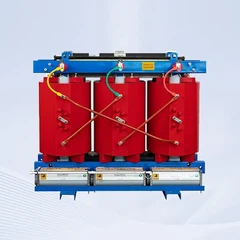
As a supplier, we offer a wide range of dry type transformers, including the 250KVA 315KVA Combination Transformer 6/10/35KV American Style Box Type, 30 - 2500KVA/10KV Dry Type Epoxy Resin Cast Transformer, and Dry Type Transformers. These transformers are designed to meet the highest standards of quality and performance, and they are suitable for a variety of applications.
Planning the Upgrade Process
Once you have selected the right transformer for your application, the next step is to plan the upgrade process. Here are some steps you can take to plan the upgrade process:
- Develop a Project Plan: Develop a detailed project plan that outlines the scope of the upgrade, the timeline, the budget, and the resources required. The project plan should also include a risk assessment and a contingency plan.
- Obtain Necessary Permits and Approvals: Before starting the upgrade process, obtain all the necessary permits and approvals from the relevant authorities. This may include building permits, electrical permits, and environmental approvals.
- Schedule the Upgrade: Schedule the upgrade during a time when it will have the least impact on your business operations. This may involve coordinating with your electrical utility company to schedule a power outage.
- Prepare the Site: Prepare the site for the installation of the new transformer. This may involve clearing the area, providing a level foundation, and ensuring that the electrical connections are in place.
- Arrange for Transportation and Installation: Arrange for the transportation and installation of the new transformer. Make sure that the transportation and installation are carried out by qualified professionals who have experience working with dry type transformers.
- Test and Commission the Transformer: Once the new transformer is installed, test and commission it to ensure that it is functioning properly. This may involve conducting electrical tests, checking the insulation resistance, and verifying the voltage and current ratings.
Implementing the Upgrade
Once the upgrade process is planned, the next step is to implement the upgrade. Here are some steps you can take to implement the upgrade:
- Remove the Old Transformer: Remove the old transformer from the site. This may involve disconnecting the electrical connections, draining the oil (if applicable), and removing the transformer from its mounting.
- Install the New Transformer: Install the new transformer in the prepared site. This may involve lifting the transformer into place, connecting the electrical connections, and filling the cooling system (if applicable).
- Test and Commission the New Transformer: Test and commission the new transformer to ensure that it is functioning properly. This may involve conducting electrical tests, checking the insulation resistance, and verifying the voltage and current ratings.
- Dispose of the Old Transformer: Dispose of the old transformer in accordance with the relevant environmental regulations. This may involve recycling the transformer or disposing of it at a certified waste disposal facility.
- Monitor the Performance of the New Transformer: Monitor the performance of the new transformer to ensure that it is operating efficiently and reliably. This may involve checking the temperature, the voltage, and the current ratings on a regular basis.
Post-Upgrade Considerations
After the upgrade is completed, there are several post-upgrade considerations that you should keep in mind. Here are some tips to help you ensure the long-term performance and reliability of your new transformer:
- Perform Regular Maintenance: Perform regular maintenance on the new transformer to ensure that it is operating efficiently and reliably. This may involve checking the insulation resistance, the cooling system, and the electrical connections on a regular basis.
- Monitor the Performance of the Transformer: Monitor the performance of the transformer to detect any potential issues or problems early on. This may involve using a monitoring system to track the temperature, the voltage, and the current ratings of the transformer.
- Train Your Staff: Train your staff on the proper operation and maintenance of the new transformer. This will help ensure that they are able to use the transformer safely and effectively.
- Keep Records: Keep records of the maintenance and performance of the transformer. This will help you track the history of the transformer and identify any potential issues or problems.
- Stay Up-to-Date with Regulations: Stay up-to-date with the latest electrical codes and regulations in your area. This will help ensure that your transformer is compliant with the relevant standards and regulations.
Conclusion
Upgrading a 750 kva dry type transformer can be a complex and challenging process, but it is essential to ensure the efficiency, reliability, and safety of your electrical system. By following the steps outlined in this blog post, you can upgrade your transformer with confidence and ensure that it meets the needs of your application. As a supplier of 750 kva dry type transformers, we are committed to providing you with the highest quality products and services. If you have any questions or need further assistance with upgrading your transformer, please do not hesitate to contact us. We look forward to working with you to meet your electrical infrastructure needs.
References
- IEEE C57.12.01-2016, “Standard General Requirements for Liquid-Immersed Distribution, Power, and Regulating Transformers.”
- IEEE C57.12.91-2011, “Guide for Loading Dry-Type Distribution and Power Transformers.”
- IEC 60076-11:2004, “Power transformers - Part 11: Dry-type transformers.”
Send Inquiry