







What are the emerging applications of step - down power transformers?
Jun 25, 2025
Leave a message
As a leading supplier of step-down power transformers, I've witnessed firsthand the dynamic evolution of their applications. These essential devices, which reduce voltage levels from high to low, are at the heart of numerous emerging technologies and industries. In this blog post, I'll explore some of the most exciting and innovative uses of step-down power transformers in today's world.
Renewable Energy Integration
The global shift towards renewable energy sources such as solar and wind power has created a significant demand for step-down power transformers. Solar farms and wind turbines generate electricity at relatively high voltages, which need to be stepped down for efficient transmission and distribution. Step-down transformers play a crucial role in this process, ensuring that the electricity produced by renewable sources can be safely and effectively integrated into the existing power grid.
For instance, in a large-scale solar power plant, the direct current (DC) electricity generated by solar panels is first converted into alternating current (AC) using inverters. The AC electricity is then stepped up to a high voltage for long-distance transmission. At the substation near the end-users, step-down transformers are used to reduce the voltage to a level suitable for residential and commercial use. This seamless integration of renewable energy into the grid is essential for achieving a sustainable and clean energy future.
Moreover, with the increasing popularity of distributed generation systems, such as rooftop solar panels and small wind turbines, step-down transformers are also being used at the residential and commercial level. These transformers allow homeowners and businesses to generate their own electricity and feed the excess power back into the grid. By stepping down the voltage of the generated electricity, these transformers ensure that it can be safely connected to the grid and used by other consumers.
Electric Vehicle Charging Infrastructure
The rapid growth of the electric vehicle (EV) market has created a new and significant application for step-down power transformers. EV charging stations require a reliable and efficient power supply to charge the vehicles' batteries. Step-down transformers are used to reduce the high voltage from the power grid to a level suitable for the charging stations.
There are different types of EV charging stations, including slow chargers, fast chargers, and ultra-fast chargers. Slow chargers typically operate at a lower voltage and can take several hours to fully charge an EV battery. Fast chargers, on the other hand, require a higher voltage and can charge the battery in a matter of minutes. Ultra-fast chargers, which are still in the early stages of development, require even higher voltages and can charge an EV battery in less than 10 minutes.
Step-down transformers are used in all types of EV charging stations to ensure a stable and safe power supply. They also help to optimize the charging process by adjusting the voltage and current according to the battery's state of charge and the charging requirements of the vehicle. As the demand for EVs continues to grow, the need for reliable and efficient EV charging infrastructure, including step-down power transformers, will also increase.
Data Centers
Data centers are the backbone of the digital economy, housing the servers and storage systems that power the internet, cloud computing, and other digital services. These facilities require a large amount of electricity to operate, and the efficient management of power is crucial for their performance and reliability.
Step-down power transformers are used in data centers to reduce the high voltage from the power grid to a level suitable for the servers and other equipment. They also help to isolate the data center's electrical system from the grid, protecting the equipment from power surges and other electrical disturbances.
In addition to their traditional role in power distribution, step-down transformers are also being used in data centers for energy storage applications. With the increasing use of renewable energy sources in data centers, energy storage systems, such as batteries, are becoming more important for ensuring a stable and reliable power supply. Step-down transformers can be used to charge the batteries at a lower voltage and discharge them at a higher voltage when needed. This helps to optimize the use of renewable energy and reduce the reliance on the grid.


Industrial Automation and Robotics
The rise of industrial automation and robotics is transforming the manufacturing industry. These technologies require a reliable and efficient power supply to operate, and step-down power transformers play a crucial role in providing this power.
In industrial automation systems, step-down transformers are used to power the control panels, sensors, and actuators. They help to ensure a stable and safe power supply, which is essential for the proper functioning of these components. In robotics, step-down transformers are used to power the motors and other electrical components of the robots. They also help to reduce the voltage to a level suitable for the robot's control system, protecting it from electrical damage.
Moreover, with the increasing use of smart factories and the Internet of Things (IoT) in the manufacturing industry, step-down power transformers are also being used for power management and monitoring. These transformers can be equipped with sensors and communication devices to collect data on the power consumption and performance of the equipment. This data can then be used to optimize the energy efficiency of the factory and reduce the operating costs.
Smart Grids
Smart grids are the future of the power industry, integrating advanced technologies such as sensors, communication systems, and automation to improve the efficiency, reliability, and sustainability of the power grid. Step-down power transformers are an essential component of smart grids, playing a crucial role in power distribution and management.
In a smart grid, step-down transformers can be equipped with sensors and communication devices to monitor the voltage, current, and temperature of the transformer. This data can be transmitted to the grid operator in real-time, allowing them to detect and diagnose any potential problems before they cause a power outage. The grid operator can also use this data to optimize the operation of the transformer, adjusting the voltage and current according to the demand and the availability of renewable energy.
Moreover, step-down transformers can be used in smart grids for demand response management. By adjusting the voltage and current of the transformer, the grid operator can reduce the power consumption of the end-users during peak demand periods. This helps to balance the supply and demand of electricity, reducing the need for expensive and polluting peaking power plants.
Conclusion
As a supplier of step-down power transformers, I'm excited to see the many emerging applications of these essential devices. From renewable energy integration and electric vehicle charging infrastructure to data centers, industrial automation, and smart grids, step-down power transformers are playing a crucial role in shaping the future of the power industry.
If you're interested in learning more about our step-down power transformers or have any questions about their applications, please don't hesitate to contact us for a consultation. We have a team of experienced engineers and technicians who can provide you with the technical support and guidance you need to choose the right transformer for your specific requirements.
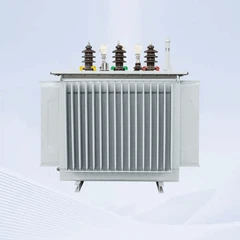
We also offer a wide range of high-quality step-down power transformers, including the S13 Power Transformers Supplier, Hot Sell Step-down Oil Immersed Power Transformer 11kv 1000kVA, and Step Down Oil Immersed Power Transformer 11kv 1000kVA Hot Selling. Our transformers are designed and manufactured to meet the highest standards of quality and reliability, ensuring that they provide a long and trouble-free service life.
Thank you for reading this blog post. I hope you found it informative and useful. If you have any comments or suggestions, please feel free to leave them below.
References
- IEEE Standards Association. (2023). IEEE Standards for Power Transformers.
- International Electrotechnical Commission (IEC). (2023). IEC Standards for Electrical Transformers.
- U.S. Department of Energy. (2023). Renewable Energy Technologies and the Power Grid.
- Electric Power Research Institute (EPRI). (2023). Emerging Applications of Power Transformers in the Digital Age.
Send Inquiry