





What is the function of the on - load tap - changer in substation power transformers?
Jun 25, 2025
Leave a message
Hey there! As a supplier of substation power transformers, I've been getting a lot of questions lately about the on-load tap-changer. So, I thought I'd take a few minutes to explain what it is and what it does.
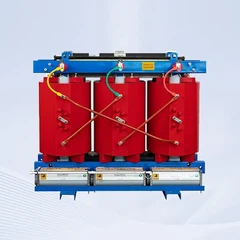
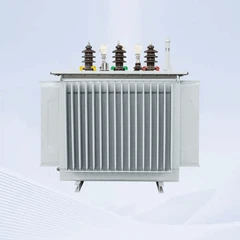
Let's start with the basics. A power transformer is a device that transfers electrical energy from one circuit to another through electromagnetic induction. It's a crucial component in any electrical power system, as it helps to step up or step down the voltage levels to suit the needs of different applications.
Now, the on-load tap-changer (OLTC) is a device that allows for the adjustment of the transformer's turns ratio while the transformer is still energized and in operation. This means that you can change the output voltage of the transformer without having to take it offline, which is a huge advantage in many situations.
So, what's the main function of the on-load tap-changer? Well, there are a few key reasons why you might want to use an OLTC in a substation power transformer.
Voltage Regulation
One of the primary functions of the on-load tap-changer is voltage regulation. In a power system, the voltage can fluctuate due to a variety of factors, such as changes in load demand, variations in generation, or faults in the network. These voltage fluctuations can cause problems for electrical equipment, such as motors, lights, and electronics, which are designed to operate within a specific voltage range.

By using an on-load tap-changer, you can adjust the output voltage of the transformer to maintain a stable voltage level at the load. This helps to ensure that the electrical equipment operates efficiently and reliably, and it can also extend the lifespan of the equipment.
For example, let's say you have a substation that supplies power to a residential area. During the day, when the demand for electricity is high, the voltage might drop slightly due to the increased load. By using an on-load tap-changer, you can increase the output voltage of the transformer to compensate for the voltage drop and maintain a stable voltage level at the homes.
Load Balancing
Another important function of the on-load tap-changer is load balancing. In a power system, the load can be unevenly distributed across different parts of the network. This can cause some transformers to be overloaded while others are underutilized.
By using an on-load tap-changer, you can adjust the output voltage of the transformer to balance the load across different parts of the network. This helps to improve the efficiency of the power system and reduce the risk of equipment failure.
For example, let's say you have a substation that supplies power to two different industrial areas. One area has a high demand for electricity, while the other area has a low demand. By using an on-load tap-changer, you can increase the output voltage of the transformer supplying the high-demand area and decrease the output voltage of the transformer supplying the low-demand area. This helps to balance the load across the two areas and improve the overall efficiency of the power system.
Reactive Power Compensation
In addition to voltage regulation and load balancing, the on-load tap-changer can also be used for reactive power compensation. Reactive power is the power that is required to maintain the magnetic fields in electrical equipment, such as motors and transformers. It does not perform any useful work, but it is necessary for the operation of the equipment.
In a power system, the reactive power can cause problems, such as voltage drops and increased losses. By using an on-load tap-changer, you can adjust the output voltage of the transformer to compensate for the reactive power and improve the power factor of the system.
For example, let's say you have a substation that supplies power to a factory with a lot of motors. The motors require a certain amount of reactive power to operate, which can cause the voltage to drop and the power factor to decrease. By using an on-load tap-changer, you can increase the output voltage of the transformer to compensate for the reactive power and improve the power factor of the system.
How Does an On-Load Tap-Changer Work?
Now that we've talked about the functions of the on-load tap-changer, let's take a look at how it works. An on-load tap-changer consists of a series of taps on the transformer winding and a switching mechanism that allows for the connection of different taps.
When the on-load tap-changer is activated, the switching mechanism moves from one tap to another, changing the turns ratio of the transformer and adjusting the output voltage. The switching mechanism is designed to operate quickly and smoothly, without causing any interruption in the power supply.
There are two main types of on-load tap-changers: the resistor-type and the reactor-type. The resistor-type on-load tap-changer uses a resistor to limit the current during the switching process, while the reactor-type on-load tap-changer uses a reactor.
Our Substation Power Transformers with On-Load Tap-Changers
At our company, we offer a wide range of substation power transformers with on-load tap-changers. Our transformers are designed to meet the highest standards of quality and reliability, and they are available in a variety of sizes and configurations to suit the needs of different applications.
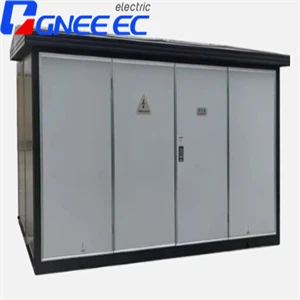
Whether you're looking for a European Box-Type Prefabricated Substation, a Compact Substation, or a 33kV Prefabricated Compact Substation, we have the right solution for you. Our on-load tap-changers are designed to provide precise voltage regulation, load balancing, and reactive power compensation, ensuring that your power system operates efficiently and reliably.
Conclusion
In conclusion, the on-load tap-changer is a crucial component in substation power transformers. It plays a vital role in voltage regulation, load balancing, and reactive power compensation, helping to ensure the efficient and reliable operation of electrical power systems.
If you're in the market for a substation power transformer with an on-load tap-changer, we'd love to hear from you. Our team of experts can help you choose the right transformer for your needs and provide you with all the information and support you need. Don't hesitate to reach out to us for a consultation and let's start a discussion about your power transformer requirements.
References
- Electric Power Substations Engineering by Turan Gonen
- Power System Analysis and Design by J. Duncan Glover, Mulukutla S. Sarma, and Thomas J. Overbye
Send Inquiry