


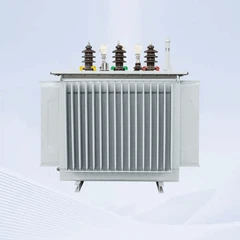
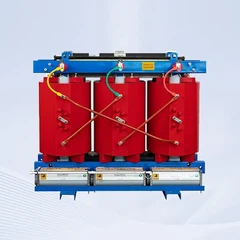





What are the ventilation requirements for a 750 kva dry type transformer?
Aug 27, 2025
Leave a message
Hey there! As a supplier of 750 kva dry type transformers, I often get asked about the ventilation requirements for these bad boys. So, I thought I'd take a crack at explaining it all in a way that's easy to understand.
First off, why is ventilation so important for a 750 kva dry type transformer? Well, these transformers generate heat during operation. If that heat isn't properly dissipated, it can lead to all sorts of problems, like reduced efficiency, shorter lifespan, and even potential safety hazards. So, having the right ventilation setup is crucial to keep the transformer running smoothly and safely.
Let's talk about the factors that influence the ventilation requirements. The first one is the ambient temperature. If the transformer is installed in a hot environment, it's going to need more ventilation to get rid of the heat. On the other hand, if it's in a cooler place, the ventilation requirements might be a bit lower.
Another factor is the load on the transformer. A 750 kva transformer can handle different levels of load. When it's operating at full capacity or close to it, it'll generate more heat and thus require better ventilation. If the load is lighter, the heat generation will be less, and the ventilation can be adjusted accordingly.


Now, let's get into the nitty - gritty of the ventilation requirements. For a 750 kva dry type transformer, the general rule of thumb is to have a sufficient air intake and exhaust system. The air intake should be clean and free from any obstructions. This fresh air is used to cool the transformer components.
The exhaust system needs to be able to effectively remove the hot air that's been heated up by the transformer. A common setup is to have fans installed. These fans can help in forcing the air through the transformer and out of the enclosure. The number and size of the fans depend on the specific design of the transformer and the environmental conditions.
In terms of the air volume, we need to ensure that a certain amount of air is flowing through the transformer per minute. This air volume is calculated based on the heat dissipation rate of the transformer. For a 750 kva dry type transformer, we're typically looking at a significant amount of air movement. A well - designed ventilation system might be able to move several hundred cubic feet of air per minute.
The location of the intake and exhaust vents also matters. They should be placed in a way that allows for a smooth flow of air. For example, the intake vents should be at a lower level so that the cooler air can be drawn in, and the exhaust vents should be at a higher level to let the hot air rise and escape easily.
When it comes to the enclosure of the transformer, it should be designed to support the ventilation. It shouldn't be too tight or restrictive. There should be enough space inside the enclosure for the air to circulate around the transformer. Some enclosures are designed with special louvers or grilles to help in the air flow.
Now, I'd like to mention some of our products. We offer a range of high - quality dry type transformers. Check out our 30 - 2500KVA/10KV Dry - type Epoxy Resin Cast Transformer. This product line has a great reputation for reliability and performance. Also, take a look at our 800 KVA 6.6 KV F Class Epoxy Resin Cast Dry Type Transformer. It's designed with advanced technology to ensure efficient operation. And if you're interested in a three - phase option, our 11kv 500 KVA Three Phase Epoxy Cast Resin Dry Type Distribution Transformer Supplier has got you covered.
If you're in the market for a 750 kva dry type transformer or have any questions about ventilation requirements or our products, don't hesitate to reach out. We're here to help you make the right choice for your needs. Whether it's for an industrial application, a commercial building, or any other use, we've got the expertise to assist you.
In conclusion, proper ventilation is essential for a 750 kva dry type transformer. By considering factors like ambient temperature, load, air volume, and the design of the enclosure and ventilation system, you can ensure that your transformer operates at its best. And if you're looking for a reliable supplier, we're just a message away.
References:
- Electrical Transformer Handbook
- Standards and Guidelines for Transformer Installation and Maintenance
Send Inquiry