





What is the input and output voltage range of an Amorphous Core Transformer?
Jul 31, 2025
Leave a message
In the dynamic realm of electrical power distribution, amorphous core transformers have emerged as a revolutionary solution, offering unparalleled efficiency and performance. As a leading supplier of amorphous core transformers, I am often asked about the input and output voltage ranges of these innovative devices. In this blog post, I will delve into the technical details of amorphous core transformers, exploring their voltage capabilities and the factors that influence them.
Understanding Amorphous Core Transformers
Before we discuss the input and output voltage ranges, it's essential to understand what makes amorphous core transformers unique. Unlike traditional transformers, which use silicon steel cores, amorphous core transformers utilize a special alloy with a disordered atomic structure. This unique material reduces core losses by up to 70%, resulting in significant energy savings and lower operating costs.
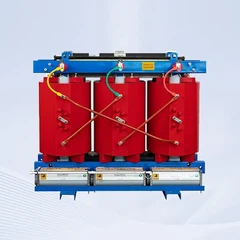
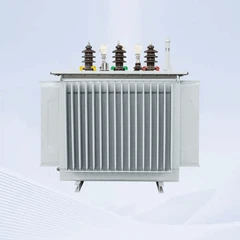
Amorphous core transformers are available in various types, including Amorphous Alloy Power Transformers, Amorphous Alloy Power Transormer, and Amorphous Alloy DistributionTransformer. Each type is designed to meet specific application requirements, from small-scale residential use to large industrial installations.


Input Voltage Range
The input voltage range of an amorphous core transformer refers to the range of voltages that can be safely applied to the primary winding. This range is determined by several factors, including the transformer's design, the type of insulation used, and the intended application.
In general, amorphous core transformers can handle a wide range of input voltages, typically from a few hundred volts to several thousand volts. For example, in residential applications, the input voltage may be 120V or 240V, while in industrial settings, it can range from 480V to 13,800V or higher.
One of the key advantages of amorphous core transformers is their ability to operate efficiently over a broad input voltage range. This is due to the low core losses of the amorphous alloy, which allows the transformer to maintain high efficiency even when the input voltage fluctuates.
Output Voltage Range
The output voltage range of an amorphous core transformer refers to the range of voltages that can be obtained from the secondary winding. This range is determined by the turns ratio of the transformer, which is the ratio of the number of turns in the primary winding to the number of turns in the secondary winding.
The turns ratio can be adjusted to achieve the desired output voltage. For example, if a transformer has a turns ratio of 10:1 and the input voltage is 1000V, the output voltage will be 100V.
Amorphous core transformers can provide a wide range of output voltages, depending on the application. In residential applications, the output voltage is typically 120V or 240V, while in industrial applications, it can range from a few volts to several thousand volts.
Factors Influencing Voltage Ranges
Several factors can influence the input and output voltage ranges of an amorphous core transformer. These include:
- Transformer Design: The design of the transformer, including the number of turns in the primary and secondary windings, the core material, and the insulation system, can affect the voltage capabilities of the transformer.
- Load Requirements: The voltage requirements of the load connected to the transformer can also influence the output voltage range. For example, some loads may require a specific voltage level to operate properly, while others may be more tolerant of voltage variations.
- Environmental Conditions: The operating environment of the transformer, including temperature, humidity, and altitude, can affect its performance and voltage capabilities. For example, high temperatures can increase the resistance of the windings, which can lead to a decrease in output voltage.
- Regulatory Requirements: In some cases, regulatory requirements may dictate the input and output voltage ranges of the transformer. For example, in certain countries, there may be specific standards for the voltage levels used in electrical distribution systems.
Applications and Voltage Requirements
Amorphous core transformers are used in a wide range of applications, each with its own specific voltage requirements. Here are some common applications and their typical voltage ranges:
- Residential Distribution: In residential areas, amorphous core transformers are used to step down the high-voltage electricity from the power grid to a lower voltage level suitable for household use. The input voltage is typically in the range of 7,200V to 13,800V, while the output voltage is 120V or 240V.
- Commercial Buildings: Commercial buildings often require a higher level of power than residential buildings. Amorphous core transformers used in commercial applications may have an input voltage range of 4,160V to 13,800V and an output voltage range of 208V to 480V.
- Industrial Installations: Industrial facilities have diverse power requirements, depending on the type of equipment used. Amorphous core transformers in industrial applications can handle input voltages from 480V to 34,500V or higher, with output voltages ranging from a few volts to several thousand volts.
Advantages of Wide Voltage Ranges
The ability of amorphous core transformers to operate over a wide input and output voltage range offers several advantages:
- Flexibility: Wide voltage ranges allow the transformer to be used in a variety of applications, reducing the need for multiple transformers with different voltage ratings.
- Energy Efficiency: Amorphous core transformers maintain high efficiency over a broad voltage range, which helps to reduce energy consumption and lower operating costs.
- Voltage Regulation: The low core losses of amorphous core transformers contribute to better voltage regulation, ensuring a stable output voltage even when the input voltage fluctuates.
Contact Us for Your Transformer Needs
If you are in the market for an amorphous core transformer, we are here to help. As a trusted supplier, we offer a wide range of transformers with various input and output voltage ranges to meet your specific requirements. Our team of experts can assist you in selecting the right transformer for your application and provide you with detailed technical support.
Whether you need a transformer for a small residential project or a large industrial installation, we have the expertise and experience to deliver a high-quality solution. Contact us today to discuss your needs and start the procurement process.
References
- IEEE Standard C57.12.00-2010, "Standard General Requirements for Liquid-Immersed Distribution, Power, and Regulating Transformers".
- IEC 60076-1:2011, "Power transformers - Part 1: General".
- Manufacturer's technical documentation on amorphous core transformers.
Send Inquiry