







What are the technical specifications of a compact substation transformer?
Jul 31, 2025
Leave a message
As a leading supplier of Compact Substation Transformers, I'm often asked about the technical specifications that make these transformers a crucial component in modern electrical systems. In this blog post, I'll delve into the key technical aspects of compact substation transformers, explaining what they are, why they matter, and how they contribute to the efficient and reliable distribution of electricity.
Basic Function and Importance
A compact substation transformer is a vital part of an Electrical Substation. Its primary function is to step up or step down the voltage of an electrical supply. In power distribution networks, high - voltage electricity is transmitted over long distances to reduce energy losses. When this electricity reaches the end - users, it needs to be stepped down to a safe and usable voltage level. Compact substation transformers perform this essential voltage conversion task in a space - efficient manner, making them ideal for areas where space is limited, such as urban environments or industrial complexes.
Key Technical Specifications
Voltage Ratings
One of the most critical specifications of a compact substation transformer is its voltage rating. The primary voltage is the input voltage that the transformer receives from the power grid, while the secondary voltage is the output voltage that is supplied to the end - users. For example, in a typical distribution network, the primary voltage might be in the range of 11kV to 33kV, and the secondary voltage could be 400V for three - phase systems or 230V for single - phase systems. These voltage ratings are carefully selected based on the requirements of the specific application and the characteristics of the power grid.
Power Rating
The power rating of a transformer, usually measured in kilovolt - amperes (kVA), indicates the amount of electrical power that the transformer can handle. It is determined by the load requirements of the connected electrical equipment. A higher power rating means that the transformer can supply more power to the load. Our 4300KVA Prefabricated Substation is an example of a high - power compact substation transformer that can meet the demands of large industrial or commercial facilities.
Frequency
The frequency of the electrical supply is another important specification. In most parts of the world, the standard frequency is 50Hz or 60Hz. The transformer must be designed to operate at the specific frequency of the power grid it is connected to. Operating a transformer at the wrong frequency can lead to inefficient operation, overheating, and even damage to the transformer.
Cooling Method
Transformers generate heat during operation due to the losses in the core and windings. To prevent overheating and ensure reliable operation, a proper cooling method is required. There are several common cooling methods for compact substation transformers, including:


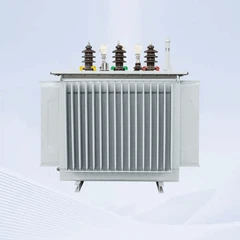
- Oil - immersed cooling: In this method, the transformer windings and core are immersed in insulating oil, which acts as both an insulator and a coolant. The oil absorbs the heat generated by the transformer and transfers it to the radiator or cooling fins, where it is dissipated into the surrounding environment.
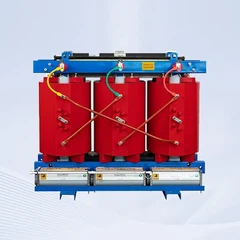
- Dry - type cooling: Dry - type transformers use air or a non - flammable gas as the cooling medium. They are often used in indoor applications or areas where there is a risk of fire or explosion, as they do not contain flammable oil.
Insulation Class
The insulation class of a transformer refers to the maximum temperature that the insulation materials can withstand without significant degradation. Common insulation classes include Class A (105°C), Class E (120°C), Class B (130°C), Class F (155°C), and Class H (180°C). A higher insulation class allows the transformer to operate at higher temperatures, which can increase its power - handling capacity.
Winding Configuration
The winding configuration of a transformer affects its electrical performance and the way it is connected to the power grid. The most common winding configurations are delta - delta, delta - star, and star - star. Each configuration has its own advantages and disadvantages, and the choice depends on factors such as the type of load, the voltage requirements, and the grounding system.
Design and Construction Features
Compact substation transformers are designed to be compact and modular, allowing for easy installation and maintenance. They are often pre - fabricated in a factory and then transported to the installation site. This pre - fabrication process ensures high - quality manufacturing and reduces the installation time on - site.
The enclosure of the transformer is designed to provide protection against environmental factors such as dust, moisture, and mechanical damage. It is usually made of steel or aluminum and is coated with a corrosion - resistant paint to ensure long - term durability.
Safety and Protection Features
Safety is of utmost importance in the design and operation of compact substation transformers. These transformers are equipped with various safety and protection features, including:
- Overcurrent protection: This feature protects the transformer from damage caused by excessive current. It can be achieved through the use of fuses or circuit breakers.
- Overvoltage protection: Overvoltage can damage the insulation of the transformer windings. Surge arresters are used to protect the transformer from overvoltage caused by lightning strikes or switching operations.
- Temperature protection: Temperature sensors are installed in the transformer to monitor the temperature of the windings and the oil. If the temperature exceeds a certain limit, an alarm is triggered, and the transformer may be automatically shut down to prevent damage.
Advantages of Our Compact Substation Transformers
As a supplier of Compact Substation Transformers, we offer several advantages to our customers. Our transformers are designed with the latest technology and high - quality materials, ensuring reliable and efficient operation. They are also highly customizable, allowing us to meet the specific requirements of each customer.
In addition, our compact substation transformers are backed by our comprehensive after - sales service. Our team of experienced engineers can provide installation support, maintenance services, and technical training to ensure that our customers get the most out of their transformers.
Contact Us for Procurement
If you are interested in purchasing a compact substation transformer for your project, we invite you to contact us for a detailed quotation and technical consultation. Our team is ready to work with you to understand your specific needs and provide the best solution for your electrical distribution requirements. Whether you are a small business or a large industrial enterprise, we have the expertise and the products to meet your needs.
References
- Electric Power Substations Engineering, Third Edition by Turan Gonen
- Transformer Engineering: Design, Technology, and Diagnostics by G. Sarma
Send Inquiry