







What is the protection against moisture for a 75 kva dry type transformer?
Aug 08, 2025
Leave a message
As a supplier of 75 kVA dry type transformers, I understand the critical importance of protecting these valuable assets from moisture. Moisture can have a detrimental impact on the performance and lifespan of a dry type transformer, leading to insulation degradation, reduced efficiency, and even complete failure. In this blog post, I will discuss the various protection measures against moisture for a 75 kVA dry type transformer.


Understanding the Risks of Moisture
Before delving into the protection methods, it's essential to understand why moisture is such a concern for dry type transformers. Dry type transformers rely on solid insulation materials, such as epoxy resin, to isolate the electrical windings from each other and the surrounding environment. When moisture penetrates this insulation, it can cause several problems:
- Insulation Degradation: Moisture can break down the chemical structure of the insulation material, reducing its dielectric strength. This makes the transformer more susceptible to electrical breakdowns, which can lead to short circuits and equipment damage.
- Corrosion: Moisture can also cause corrosion of the transformer's metal components, such as the windings and core. Corrosion can weaken these parts, leading to mechanical failures and reduced performance.
- Mold and Mildew Growth: In humid environments, mold and mildew can grow on the transformer's surface and inside its enclosure. This not only affects the appearance of the transformer but can also release harmful spores into the air and damage the insulation.
Protection Measures Against Moisture
To safeguard a 75 kVA dry type transformer from moisture, several protection measures can be implemented. These measures can be broadly categorized into design, installation, and maintenance aspects.
Design Considerations
- Enclosure Design: The transformer's enclosure plays a crucial role in protecting it from moisture. A well-designed enclosure should be weatherproof and have proper ventilation to prevent the accumulation of moisture inside. It should also be made of materials that are resistant to corrosion and moisture penetration.
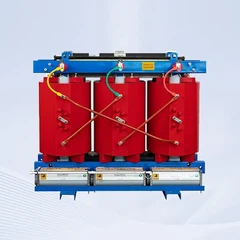
- Insulation Materials: High-quality insulation materials with good moisture resistance properties should be used in the construction of the transformer. Epoxy resin is a popular choice for dry type transformers due to its excellent electrical and mechanical properties, as well as its resistance to moisture.
- Sealing: All openings in the transformer's enclosure, such as cable entries and ventilation ports, should be properly sealed to prevent moisture from entering. Gaskets and seals made of rubber or silicone can be used to ensure a tight seal.
Installation Considerations
- Location Selection: The location where the transformer is installed is critical for moisture protection. It should be a dry, well-ventilated area away from sources of water, such as rivers, lakes, and leaky roofs. Avoid installing the transformer in basements or areas prone to flooding.
- Mounting: The transformer should be mounted on a stable and level surface to prevent water from pooling around it. If necessary, a raised platform or foundation can be used to elevate the transformer above the ground level.
- Cable Installation: Proper cable installation is essential to prevent moisture from entering the transformer through the cable entries. Cables should be sealed and terminated correctly, and cable glands should be used to provide a watertight seal.
Maintenance Considerations
- Regular Inspections: Regular inspections of the transformer should be conducted to check for signs of moisture ingress, such as condensation, rust, or mold growth. Any issues should be addressed promptly to prevent further damage.
- Cleaning: The transformer's enclosure and components should be cleaned regularly to remove dirt, dust, and other contaminants that can trap moisture. Use a dry cloth or a soft brush to clean the surface, and avoid using water or other liquids unless specifically recommended by the manufacturer.
- Moisture Monitoring: Installing moisture monitoring devices, such as humidity sensors or dew point meters, can help detect the presence of moisture inside the transformer enclosure. These devices can provide early warning signs of moisture problems, allowing for timely intervention.
Additional Protection Options
In addition to the above measures, there are several additional protection options available for 75 kVA dry type transformers:
- Heaters: Electric heaters can be installed inside the transformer enclosure to keep the temperature above the dew point and prevent condensation. These heaters can be controlled by a thermostat to ensure that the temperature remains within a safe range.
- Desiccants: Desiccants, such as silica gel, can be placed inside the transformer enclosure to absorb moisture. These desiccants need to be replaced regularly to maintain their effectiveness.
- Nitrogen Purging: Nitrogen purging involves filling the transformer enclosure with nitrogen gas to displace the air and moisture. This can be an effective way to protect the transformer from moisture, especially during storage or transportation.
Conclusion
Protecting a 75 kVA dry type transformer from moisture is essential for ensuring its reliable operation and long lifespan. By implementing the design, installation, and maintenance measures discussed in this blog post, as well as considering additional protection options, you can minimize the risk of moisture-related problems and keep your transformer in optimal condition.
If you are interested in purchasing a 75 kVA dry type transformer or need more information about moisture protection, please feel free to contact us for a detailed discussion. We offer a wide range of high-quality dry type transformers, including the 11KV/33KV Cast Resin Dry Type Transformer, 50kVA 10kV Epoxy Resin Casting Dry Type Power Transformer, and The Power Pole Transformer. Our team of experts is ready to assist you in finding the right solution for your specific needs.
References
- IEEE Standard C57.12.01-2010, "Standard General Requirements for Dry-Type Distribution and Power Transformers"
- IEC 60076-11:2004, "Power transformers - Part 11: Dry-type transformers"
- Manufacturer's manuals and technical specifications for dry type transformers
Send Inquiry