







100 kVA Dry-Type vs Oil-Immersed Transformer: Which to Choose
Feb 04, 2026
Leave a message
Core Technology and Safety Differences
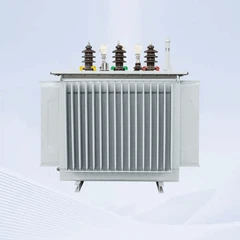
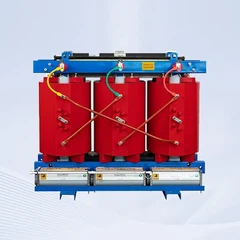
The dry-type transformer uses ambient air and solid insulation such as epoxy resin or vacuum pressure impregnated varnish. It is non-flammable and self-extinguishing, with no fire or explosion risk, making it ideal for indoor and occupied spaces, and there is zero risk of oil leakage, so soil and water contamination are eliminated and materials are fully recyclable. The oil-immersed transformer uses dielectric oil for cooling and insulation. The oil is combustible, so fire-proof vaults, bund walls, or outdoor installation are required by many codes, and oil leakage presents an environmental risk requiring containment and precautions.
Installation, Space, and Maintenance
The dry-type is lighter and more compact and can be installed directly in the load center, such as basements, rooftops, and mid-floors of buildings, saving space by eliminating fire-proof rooms and outdoor substations. It is virtually maintenance-free, with no oil testing, filtering, or leakage monitoring. The oil-immersed unit is heavier, often requiring a concrete pad, containment curbs, and a dedicated vault; it is typically installed outdoors or in a fire-rated indoor cell, consuming more space, and requires regular oil sampling, testing, and monitoring with leak management.
Performance, Efficiency, and Total Cost of Ownership
The dry-type generally has a higher initial purchase price but high efficiency comparable to oil types, and lower total cost of ownership for indoor applications because of minimal maintenance, no oil disposal costs, and saved space and construction costs. The oil-immersed unit has a typically lower initial price and high achievable efficiency, but higher lifetime cost for indoor or restricted sites because of vault construction, ongoing oil maintenance, testing, potential cleanup, and higher insurance premiums.
Application-Based Selection Guide
Choose the 100 kVA dry-type for indoor installations in commercial buildings, schools, hospitals, and high-rises; sensitive and high-safety areas such as data centers, airports, and chemical plants; spaces with limited access such as retrofit projects and offshore platforms; and locations where routine maintenance is difficult. Choose the oil-immersed unit for outdoor utility and industrial yards with proper containment, cost-sensitive outdoor projects where fire and containment infrastructure already exist, harsh environments with proper enclosures, and applications requiring high short-term overload capability.
Specification Comparison
| Parameter | Dry-Type | Oil-Immersed |
|---|---|---|
| Cooling medium | Air, epoxy resin or VPI | Mineral, silicon, or ester oil |
| Fire safety | Flame retardant, self-extinguishing | Combustible, requires fire protection |
| Typical location | Indoors | Outdoors or fire-rated vaults |
| Maintenance | Very low | Regular oil testing and leak checks |
| Environmental impact | None, recyclable | Potential oil pollution risk |
| Initial cost | Higher | Lower |
| Lifetime cost indoors | Generally lower | Generally higher |
Frequently Asked Questions
Q: Which 100 kVA transformer is safer indoors?
A: The dry-type, which is non-flammable, self-extinguishing, and has no oil leakage risk.
Q: Why is the oil-immersed type cheaper initially?
A: Simpler manufacturing and materials, with a lower first cost than resin-cast or VPI dry-type construction.
Q: Which has lower maintenance?
A> The dry-type, with no oil sampling, filtering, or leak monitoring required.
Q: When is an oil-immersed unit the better choice?
A: For outdoor yards, cost-sensitive outdoor projects, harsh environments, and high overload capability.
Q: What is the typical IP rating?
A: Dry-type typically IP20 or IP23; oil-immersed typically IP23 or IP54 depending on enclosure.
Q: Which is quieter?
A: The oil-immersed type, since the oil damps vibration and sound.
For a 100 kVA transformer recommendation with load analysis, contact our application engineers.
Send Inquiry