









How to Disassemble a 500 kVA Oil-Immersed Transformer Safely
Apr 30, 2026
Leave a message
Preparation and Site Safety Before Disassembly
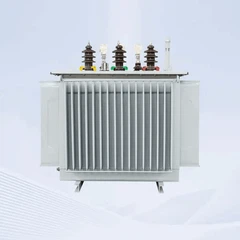
Disassembly of a 500 kVA oil-immersed transformer starts with total electrical isolation and verified zero-energy status. Open the upstream circuit breaker and disconnect all high-voltage and low-voltage cable terminations, then apply lock-out and tag-out devices at the switching point. Using a calibrated voltage detector, confirm the absence of potential on all bushings and terminals on both the primary and secondary sides. Apply temporary earth grounding leads to all terminals and leave them in place for at least 15 minutes, because the high-capacitance insulation of a transformer can retain a lethal charge even after disconnection. Personnel must wear appropriate arc-flash and insulating personal protective equipment in line with NFPA 70E, and only qualified electrical workers should perform the work. A well-planned preparation phase prevents arc flash incidents, oil spills, and confusion during reassembly.
Draining the Insulating Oil Safely
The insulating oil in a 500 kVA oil-immersed transformer is both a dielectric and a heat transfer medium, and it must be handled with care:
Take an oil sample for analysis before draining so the condition of the oil is documented.
Drain through the bottom drain valve into clean, grounded containers, and never allow oil to contact the ground or water systems.
Store the drained oil in sealed drums, labeled with the unit identification, for reuse, filtration, or disposal according to local environmental regulations.
Record the drained volume and check it against the nameplate oil capacity to detect unexpected loss before the fault.
Keep the work area ventilated and control any oil mist or vapors.
Controlled drainage protects both the environment and the condition of the oil, which can be reused after filtration if it passes dielectric and dissolved gas testing.
Removing Accessories and Opening the Tank
With the oil drained, remove the accessories in a logical order and document each step:
Disconnect and remove the bushings, marking each cable and terminal position for reassembly.
Remove the conservator, silica gel breather, pressure relief device, and Buchholz relay where fitted.
Detach the tap changer operating mechanism and record the tap position.
Remove the tank cover bolts evenly, working around the flange to release the gasket pressure without distorting the cover.
Lift the cover with a crane or hoist of adequate rated capacity, using the lifting lugs, and keep the load level at all times.
Photographs and labels taken during removal are the most reliable reference for correct reassembly of a 500 kVA oil-immersed transformer.
Extracting and Handling the Active Part
The active part, comprising the core, windings, and leads, is the most delicate assembly in the unit:
Attach lifting slings to the designated lifting points on the core frame, never to the windings or leads.
Raise the active part slowly and keep it vertical to avoid bending the windings or disturbing the clamping structure.
Support the active part on clean wooden blocks or a dedicated stand immediately after extraction.
Keep the exposed windings protected from moisture, dust, and impact, and work under cover if the unit is outdoors.
Minimize the time the active part is exposed to air, because moisture absorption by the paper insulation increases its water content and reduces dielectric strength.
If the active part is exposed for more than a few hours, the unit should be dried before re-energizing, following the drying procedure recommended by the manufacturer.
Inspection, Documentation and Reassembly Notes
With the active part accessible, perform a systematic inspection and record the findings:
Check the winding insulation for discoloration, deformation, or signs of overheating.
Verify the core clamping tightness and inspect the core surface for rust or burrs that could damage insulation.
Measure insulation resistance between windings and to earth with a megohmmeter, and compare the values with the factory test report.
Inspect all connections, brazed joints, and tap changer contacts for overheating marks.
Record oil level, drained volume, and any anomaly found so the history is complete.
Before reassembly, replace all gaskets, clean the tank interior, refill with filtered oil, and perform the routine tests required by IEC 60076-1 before the unit returns to service.
FAQ
Q: Why must a transformer be grounded for 15 minutes before disassembly?
A: The high-capacitance insulation system can retain a dangerous residual charge after disconnection. Temporary earth grounding allows this charge to dissipate safely before any part is touched.
Q: Can the drained oil be reused?
A: Yes, if it passes dielectric strength testing and dissolved gas analysis after filtration. If the oil is contaminated or degraded, it must be disposed of according to local environmental regulations.
Q: Who is allowed to disassemble a 500 kVA oil-immersed transformer?
A: Only qualified electrical workers with transformer maintenance training and appropriate personal protective equipment per NFPA 70E. The work involves live-equipment hazards even after isolation, so unqualified personnel must not perform it.
Q: How long can the active part stay exposed to air?
A: Exposure should be minimized, typically no more than a few hours, because the paper insulation absorbs moisture from the air. Longer exposure requires drying of the active part before re-energizing.
Q: What should I check after the active part is extracted?
A: Inspect winding insulation condition, core clamping and surface, connections and tap changer contacts, and measure insulation resistance with a megohmmeter, comparing the results with the factory test report.
Q: What tests are needed before the transformer returns to service?
A: After reassembly, refill with filtered oil, replace gaskets, and perform the routine tests of IEC 60076-1, including insulation resistance, turns ratio, and dielectric tests, before re-energizing.
Send Inquiry