







Routine Maintenance of Dry-Type Transformers: Protecting Factory Operations
Jun 04, 2025
Leave a message
Routine Inspections as the First Line of Defence
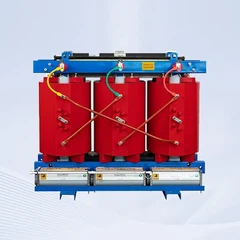
Transformers are the heart of a power system, whether they serve an office building with dry-type distribution units or an industrial plant with large dry-type step-down transformers. Daily inspection identifies problems early. A visual check of the enclosure looks for rust, cracks, and deformation, and on cast resin units it confirms that the seal between winding and casting is intact. Temperature monitoring with infrared thermography detects hot spots caused by loose connections or internal faults, while listening to the unit distinguishes the normal magnetostriction hum from crackling or irregular noise that calls for immediate investigation.
Cleaning and Cooling for Stable Performance
Dust and grime on external surfaces must be removed on a schedule, because a conductive dust layer degrades insulation and a blanket of dust on the windings blocks heat transfer. Cooling fans, heat sinks, and ventilation channels are inspected and cleaned so that heat dissipation stays effective. A blocked cooling path raises the winding temperature, and every additional ten degrees of sustained temperature accelerates insulation ageing and shortens service life. In dusty or humid plants the cleaning interval should be shortened accordingly.
Insulation Testing as a Health Check
Insulation resistance testing with a megohmmeter assesses the condition of internal insulation and reveals moisture ingress or contamination before it becomes a short circuit. The measurement is taken with the unit de-energised, locked out, and earthed, and the result is compared with earlier readings rather than judged in isolation, because the trend shows deterioration long before the absolute value becomes alarming. Where the design allows it, partial discharge measurement gives an even earlier indication of insulation problems in cast resin windings.
Load Management to Avoid Overloading
Load data should be tracked and analysed so that prolonged overload is avoided, because sustained overloading wastes energy and imposes thermal stress on the insulation. Three-phase loads should be balanced to prevent localised overheating and the efficiency loss that unbalanced operation brings. Selecting the transformer to the real demand profile rather than to a theoretical peak keeps the unit within its temperature class and avoids the cost of a larger unit that never reaches its rating.
Fault Response and Spare Part Planning
At the first sign of abnormal temperature, noise, or odour the transformer should be shut down for inspection rather than watched. Keeping spare parts such as winding assemblies, terminals, and fans on hand shortens repair time and limits production disruption. A documented maintenance log supports diagnosis, proves compliance with safety obligations, and provides the evidence that insurers and inspectors require. Where downtime is costly, a planned replacement unit is a practical safeguard.
Frequently Asked Questions
Q: How often should a dry-type transformer be inspected?
Daily visual checks are recommended, with detailed inspection and cleaning on a scheduled de-energised maintenance cycle.
Q: What does infrared thermography reveal?
Overheating caused by loose connections, overload, or internal faults that the eye cannot see.
Q: Why is dust harmful to dry-type units?
Dust insulates the windings and blocks cooling, which raises temperature and accelerates insulation ageing.
Q: What does the insulation resistance test measure?
It measures insulation health between conductors and detects degradation that risks a short circuit.
Q: How is overloading prevented?
By monitoring load, balancing phases, and sizing the transformer to the actual demand profile.
Send Inquiry