





How does the temperature rise of an Amorphous Core Transformer compare to other transformers?
Aug 12, 2025
Leave a message
Hey there! As a supplier of Amorphous Core Transformers, I've been getting a lot of questions lately about how the temperature rise of these transformers stacks up against other types. So, I thought I'd dive into this topic and share some insights with you.
First off, let's talk about what temperature rise means in the context of transformers. When a transformer is in operation, it generates heat due to various losses, like copper losses and core losses. The temperature rise is the difference between the transformer's operating temperature and the ambient temperature. It's a crucial factor because excessive temperature rise can lead to reduced efficiency, shorter lifespan, and even potential safety hazards.


Now, let's compare Amorphous Core Transformers with other common types, such as silicon steel core transformers.
Amorphous Core Transformers
Amorphous core transformers are made from a special type of alloy that has unique magnetic properties. This alloy has extremely low core losses compared to traditional silicon steel. Core losses are a major contributor to heat generation in transformers. Since amorphous core transformers have lower core losses, they generate less heat in the core.
For example, in a typical Amorphous Distribution Transformer, the core losses can be up to 70% lower than those of a silicon steel core transformer of the same rating. This significant reduction in core losses directly translates to a lower temperature rise in the core.
Another advantage of amorphous core transformers is their better heat dissipation characteristics. The design of these transformers often allows for more efficient heat transfer from the core to the surrounding environment. This means that even if some heat is generated, it can be dissipated more quickly, keeping the overall temperature rise in check.
Silicon Steel Core Transformers
Silicon steel has been the go - to material for transformer cores for a long time. While it has good magnetic properties, it also has relatively high core losses. These losses result in more heat being generated in the core during operation.
In addition, the heat dissipation of silicon steel core transformers may not be as efficient as that of amorphous core transformers. The structure and materials used in silicon steel core transformers can sometimes impede the transfer of heat, leading to a higher temperature rise.
Oil - Immersed Transformers
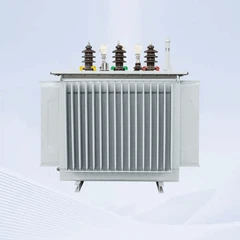
Let's take a look at Amorphous Oil - Immersed Transformer and traditional oil - immersed transformers. In oil - immersed transformers, the oil acts as a coolant and an insulator.
Amorphous oil - immersed transformers, due to their lower core losses, generate less heat in the first place. The oil in these transformers doesn't have to work as hard to dissipate heat compared to traditional oil - immersed transformers with silicon steel cores. This results in a lower temperature rise in the oil and the overall transformer.
Moreover, the oil in amorphous oil - immersed transformers can maintain its properties for a longer time because it's not subjected to as much heat stress. This means better long - term performance and reliability.
Dry - Type Transformers
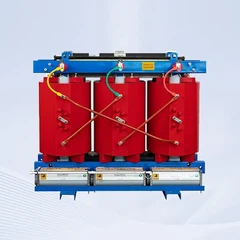
When it comes to dry - type transformers, the SC(B)H15 Amorphous Alloy Dry Type Transformer has an edge over traditional dry - type transformers. Dry - type transformers rely on air for cooling.
Amorphous alloy dry - type transformers generate less heat due to their low core losses. This makes it easier for the air to cool the transformer, resulting in a lower temperature rise. Traditional dry - type transformers with silicon steel cores, on the other hand, generate more heat, and the air cooling system may struggle to keep the temperature under control, leading to a higher temperature rise.
Impact of Temperature Rise on Transformer Performance
A lower temperature rise in amorphous core transformers has several benefits for their performance. Firstly, it improves the efficiency of the transformer. When a transformer operates at a lower temperature, there are fewer losses due to heat, which means more of the input power is converted into useful output power.
Secondly, it extends the lifespan of the transformer. High temperatures can cause the insulation materials in the transformer to degrade more quickly. By keeping the temperature rise low, the insulation in amorphous core transformers lasts longer, reducing the need for frequent replacements.
Finally, it enhances the reliability of the transformer. A transformer with a lower temperature rise is less likely to experience sudden failures or malfunctions, which is crucial for applications where a continuous power supply is required.
Why Choose Amorphous Core Transformers?
If you're in the market for a transformer, the lower temperature rise of amorphous core transformers should be a major selling point. They offer better energy efficiency, longer lifespan, and higher reliability compared to other types of transformers.
Whether you need a distribution transformer for a small neighborhood or a dry - type transformer for an industrial application, amorphous core transformers are a great choice. They can help you save on energy costs in the long run and reduce the environmental impact of your power consumption.
If you're interested in learning more about our Amorphous Core Transformers or have any questions about temperature rise or other aspects of transformer performance, feel free to reach out to us. We're here to help you make the best decision for your power needs.
References
- "Transformer Engineering: Design, Technology, and Diagnostics" by T. A. Lipo and S. M. S. Naidu
- Industry reports on transformer efficiency and performance from leading research institutions.
Send Inquiry