







How to prevent and deal with transformer oil leakage?
Jun 20, 2025
Leave a message
Electricity infrastructure operates like the human circulatory system, with transformers acting as the "heart" that transmits energy. A leak in this vital component can jeopardize electrical safety and the environment. This article explores the risks of transformer oil leaks, practical solutions, and preventive measures to ensure reliable operation.
1.
Common Causes of Transformer Oil Leaks

Oil leaks, a frequent Transformer malfunction, typically stem from:
Seal Failure: Aging gaskets, loose bolts, or welding defects can cause oil seepage.
Material Degradation: Long-term heat exposure or harsh environments accelerate corrosion in oil-immersed transformers , weakening seals.
Human Error: Mishandling during installation or uneven pressure distribution may lead to leaks.
Environmental Exposure: Moisture, salt fog, or corrosive gases can erode tanks, especially in outdoors oil immersed distribution transformer systems.
2.
Consequences of an Oil Leak
Beyond equipment damage, leaks pose severe hazards:
Fire Risk: Transformer oil (insulating oil) is highly flammable; leaks near heat sources or electrical sparks can ignite fires.
Insulation Failure: Reduced oil levels compromise insulation, increasing risks of short circuits, breakdowns, or explosions.
Environmental Contamination: Oil spills pollute soil and water, potentially violating environmental regulations.
Financial Loss: Downtime, repairs, and cleanup efforts incur substantial costs.
3.
How to Detect an Oil Leak Quickly?
Early detection minimizes damage. Key methods include:
Visual Inspection:
Check the tank base, valves, or welds for oil stains or drips.
Oil Level Monitoring:
Regularly inspect oil reservoirs or gauges-sustained drops indicate leaks.
Odor and Sound Cues:
Look for a burning smell or unusual dripping noises near suspected leaks.
Advanced Tools:
Use infrared thermography or ultrasonic detectors to locate hidden leaks.

4.
Emergency Response and Repair Strategies
Immediate Actions:
Cut power and isolate the device to prevent escalation.
Collect spilled oil in fireproof containers to mitigate environmental harm.
Long-Term Solutions:
Professional Repair: Seal or replace degraded components like gaskets or valves.
Oil Replenishment: Replenish with compatible insulating oil to restore levels.
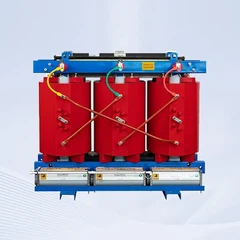
Upgrading Recommendation: Consider switching to a dry type transformer for a safer, oil-free alternative.
5.
Three Core Strategies to Prevent Oil Leaks
Routine Maintenance: Inspect seals, oil levels, and welds quarterly; replace aging parts promptly.
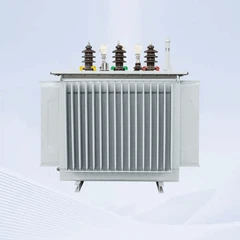
High-Quality Equipment: Choose durable models like the S Series 30-3150kVA 10KV Oil Immersed Power Transformer or three phase dry type transformer, which offer superior corrosion resistance and heat tolerance.
Environmental Monitoring: Avoid prolonged exposure to extreme temperatures, humidity, or corrosive atmospheres.

Summary: Safeguarding Electrical Systems Starts with Prevention
Transformer oil leaks can trigger cascading failures, but proactive detection, swift repairs, and preventive measures can mitigate risks. Investing in reliable equipment and expert maintenance ensures uninterrupted power supply. If you're facing leakage challenges or need tailored solutions, contact our team immediately! Our engineers are ready to protect your infrastructure and keep your energy "heart" strong.
Click here to consult for free technical support and product solutions!
Want to know more?
Why Are Dry-Type Transformers the Power Heart of Modern Buildings?
Send Inquiry