





![Why Insulation in Dry Type Transformers Is Important]() view more
view more12
Jan
Why Insulation in Dry Type Transformers Is ImportantA transformer’s insulation type receives a class rating based on the highest temperature at which it can function
![Why Is Your Dry Type Transformer Overheating?]() view more
view more12
Jan
Why Is Your Dry Type Transformer Overheating?Dry type transformers rely on circulating air and other internal components like insulation and windings to prevent the transformer from overheating
![How To Detect Failures In Dry Type Transformers]() view more
view more12
Jan
How To Detect Failures In Dry Type TransformersTransformers should be built to last, and dry type transformers, in particular, avoid some maintenance issues that can occur with oil-filled transform
![Complete Guide to Dry-Type Transformers]() view more
view more12
Jan
Complete Guide to Dry-Type TransformersDry type transformers are used for many applications to reduce the voltage of conventional power circuits. Learn more about what a dry type transforme
![What Are The Different Parts Of A Dry Type Transformer?]() view more
view more12
Jan
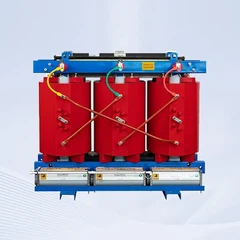
What Are The Different Parts Of A Dry Type Transformer?Dry Type Transformers enable energy transfer through electromagnetic induction. They employ solid insulation and cooling mechanisms like natural conve
![Understanding Dry Type Transformer Cooling Methods]() view more
view more12
Jan
Understanding Dry Type Transformer Cooling MethodsDry type transformers reduce conventional power circuit voltage. This action generates copious amounts of heat by transferring energy between alternat
![How to Perform Effective Maintenance on Dry-Type Transformers]() view more
view more12
Jan
How to Perform Effective Maintenance on Dry-Type TransformersDry type transformers are critical components in power distribution systems across various applications, from manufacturing plants and health care fac
![How to Maximize the Service Life of Dry-Type Transformers]() view more
view more12
Jan
How to Maximize the Service Life of Dry-Type TransformersThe quality of a Dry Type Transformer can directly affect your facility’s power reliability and efficiency for years down the road. High-quality units
![Load Capacity for Dry Type Transformers]() view more
view more09
Jan
Load Capacity for Dry Type TransformersDry type transformers harness air cooling to maintain safe, efficient temperatures as they convert high primary voltages to the right voltage for your
![Copper vs. Aluminum Dry Type Transformer Windings]() view more
view more09
Jan
Copper vs. Aluminum Dry Type Transformer WindingsDry Type Transformers typically feature either copper or aluminum windings, also known as coils. Transformer windings refer to the coils within the tr
![The Cost of Transformer Failure in Manufacturing]() view more
view more09
Jan
The Cost of Transformer Failure in ManufacturingRecent surveys have reported the cost of a single hour of manufacturing downtime to be anywhere between $500,000 and $5 million. The survey participan
![Types of Conductors Used in Dry Type Transformers]() view more
view more09
Jan
Types of Conductors Used in Dry Type TransformersDry type transformers usually contain windings — or coils — that act as conductors. Transformer builds typically have primary windings and secondary w


Send Inquiry